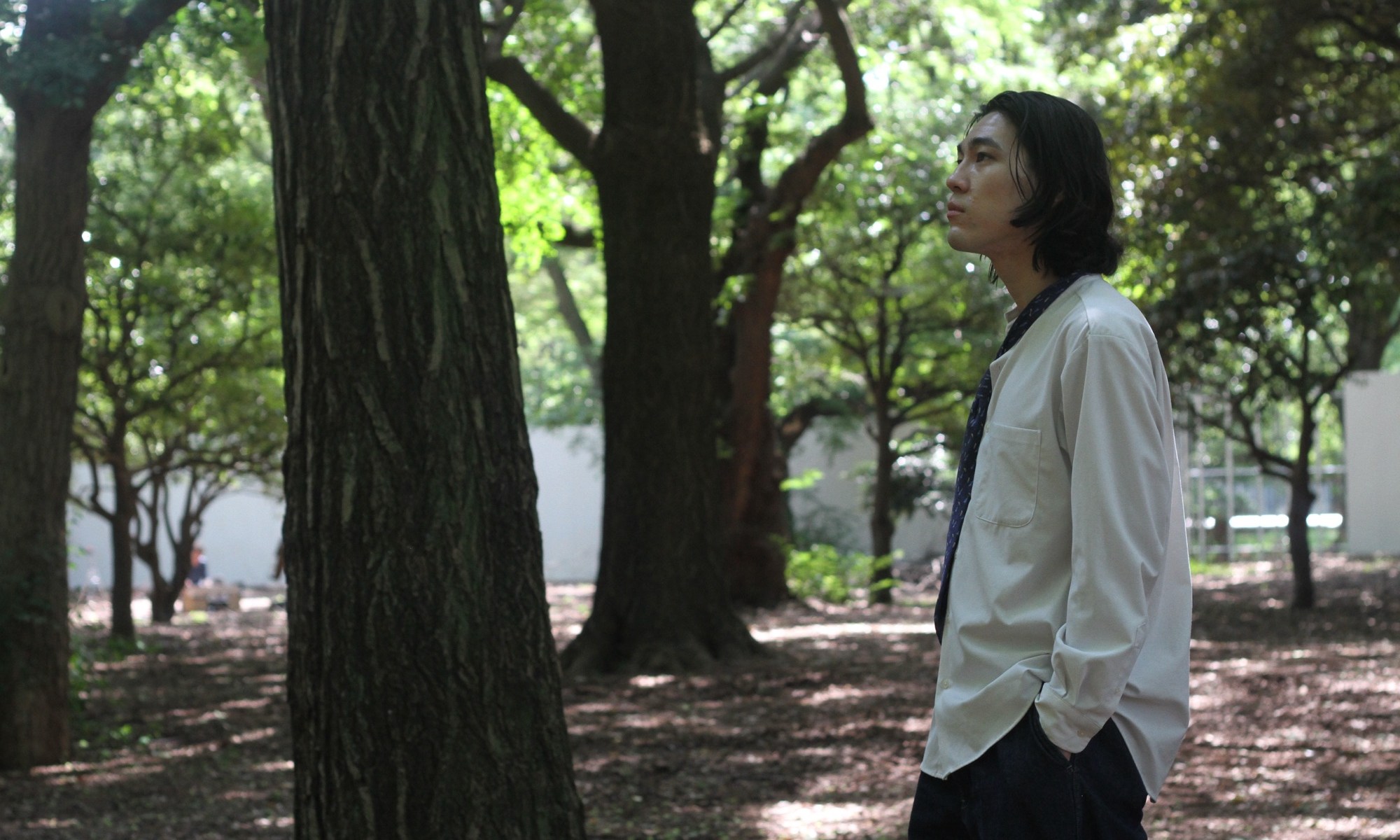
Set me free

高額なお金が引き落とされたときの
尋常でない恐怖感にそろそろ勝ちたい
まあ随分長く収入がないからなんだが
この恐怖を乗り越えない限り
真の幸福には到達できない
恐怖感を断つのだ!

そのうち数千万円ポンと入ってくるはずや!
(依然として明確な根拠はない)

でもまあ見ないようにしてちゃダメだな
そろそろちゃんと向き合わないと
向き合った上で恐怖を感じないってならないと
本当の意味で自由にはなれない
俺めちゃくちゃお金に関して回避型やったわ
決算して法人税払わなきゃだ

物欲とかはないので
金持ちになる予定は今後もないけど
月収100〜200万くらいはあると
経営としては随分と助かるなあ
また制作費も集めなきゃだし
あとは世界を飛び回って勉強しながら
活動したいとかはあるなあ
子育てするにもその方がいいでしょ笑

I want to finally overcome this abnormal fear I feel whenever a large sum of money gets withdrawn.

Well, it’s because I haven’t had income for such a long time, but unless I get past this fear, I’ll never reach true happiness.

I need to cut it off once and for all!

Someday, several tens of millions of yen will just come pouring in—

(even though there’s still no clear basis for that).

But I can’t just keep avoiding it.

It’s time I face it properly.

And unless I can face it without fear, I’ll never be truly free.

I’ve been extremely avoidant when it comes to money.

I need to settle the accounts and pay the corporate taxes.

It’s not that I have material desires, so I don’t plan on becoming “rich.”

But if I could earn 1 to 2 million yen a month, that would really help with managing the business.

I also need to raise funds for production, and I’d like to travel around the world, study, and keep working.

That would also be better for raising children, wouldn’t it?

What makes you happy??

自分が本当に幸せに思えることが何か
ちゃんと気づけていますか?
むしろ考えないようにしていませんか?
遊びのつもりでもいいから
イメージしてみるといいもんですよ

嫌なニュースばっかり目にしてしまうと
そんなの無理だろって
諦めてしまいそうになるよね
本当に俺でもそうだもん
こんな馬鹿げたことやってられるかと思う

その思考からどうやって脱出するかが
自由になる為の鍵なんだろう
案外、遊び心なのかもしれない
本物の遊びはストイックでなきゃできないよ

やっぱりFlowなんだよな
今の世の中にはFlowがないんだよ
ストーリーがないと言ってもいいのか
Δtがどんどん小さくなっているとも言えるか

そこらあたりの意識改革がひとりひとりあれば
随分とスケールアップしていくような気はするけどね
ミクロとマクロの両建てでさ

Are you truly aware of what makes you happy?
Or are you, in fact, trying not to think about it?
Even if it’s just as a game,
imagining it can actually be a good thing.

When all you see is bad news,
you start to feel like, “That’s impossible,”
and give up, don’t you?
Honestly, even I feel that way sometimes,
like, “I can’t keep doing something this ridiculous.”

But maybe the key to freedom
is figuring out how to break out of that mindset.
Surprisingly, it might be a sense of play.
Real play, after all, requires a certain stoicism.

In the end, it’s all about Flow.
What’s missing in today’s world is Flow—
or maybe you could say, there’s no story.
It’s like Δt keeps shrinking smaller and smaller.

If each person could shift their awareness in that area,
I feel the scale of things could expand dramatically—
bridging both the micro and the macro.

Aiming for Freedom

やはり今の世の中に必要なのは精神性だ。
自由という名のもとに、世界的に宗教がどんどん廃れていく中で、むしろ精神性は幼稚になっていっているのだと思う。
かといって、それによって人々が自由になったかといえば、必ずしもそうではないという悲劇がある。

美学や精神的なポリシーを持たない人は、結局、無限にある選択肢の前でどう動けばいいのかわからず、立ち尽くしてしまう。
結果的に、自分ではない何かに流されてしまう。
それは「自由」という名の監獄に入ってしまうようなものだ。

資本主義のゲームに乗っかって成功しているプロ経営者も、そこに理念がなければ、ただ流されているようにしか見えない。

となると、やはり新渡戸稲造の『武士道』を読むべきなのかもしれない。
真の抑圧からの解放とは、やはりストイックの先にあるのではないか?

What the world truly needs today is spirituality.
In the name of freedom, religion has been rapidly fading across the globe, yet spirituality itself seems to have regressed into immaturity.
And the tragedy is that this decline has not necessarily brought people greater freedom.

Those who lack an aesthetic sensibility or spiritual principles, when confronted with endless choices, find themselves unable to move forward—paralyzed, and ultimately swept along by forces outside themselves.
It is as if they have entered a prison disguised as “freedom.”

Even professional executives who succeed in the game of capitalism, without a guiding philosophy, appear to be nothing more than people carried away by the current.

Perhaps, then, it is time to revisit Inazo Nitobe’s Bushido.
For true liberation from oppression may lie only beyond the path of stoicism.

Who made a war?

プーチンを「戦争犯罪人」と断定することが、果たして平和に近づくことなのか。
私はむしろ、それが平和から遠ざかる行為のように思えます。
戦争に絶対的な善や悪を単純に当てはめてしまうと、議論の余地がなくなり、出口を見失ってしまうからです。
では、真珠湾攻撃は犯罪だったのでしょうか。もしそう言えるとしたら、それは「負けた側」だったからではないでしょうか。
安全圏から一方的に正義を語ることに、私は強い違和感を覚えます。正義感を振りかざすだけでは、本当の平和につながらないと感じています。

もちろん、
• 戦争が悪であること
• 戦争を起こす者が最悪であること
• そして犠牲になるのは常に庶民であること
この点については、全く異論はありません。

ただ、その先をどう考えるかが重要です。まともな議論がなければ、私たちは結局、煽動される庶民にとどまってしまいます。
メディアは「恐怖」を通じて人々を動かそうとしますが、恐怖にとらわれないことで初めて、自由な視点を取り戻せるのではないでしょうか。

その上で、現代日本の教育にも課題があると思います。
知識を大量に詰め込み、受験や偏差値で序列化される中で、「権威に従うこと」が生き残り戦略となってしまう。
そして、優等生ほど「自分が間違っているかもしれない」という視点を失い、結果的に戦争や権力の正当化に加担してしまう。
結果として、疑問を抱くよりも「多数派に合わせること」が優先され、思考を止めてしまう。
こうした環境は、戦争や社会問題を「絶対的な善悪」で単純に切り分ける姿勢を助長してしまうのではないでしょうか。

そしてそれは、学者やインフルエンサーの発信にも表れています。
責任を負わない立場から一面的な断定を繰り返す姿を目にすると、なぜこれほどまでに単純化した言葉がもてはやされるのか、不思議に感じます。
彼らは権威に従うことで多数派に身を置くことができるのかもしれません。
しかし、そこに真実があるとは限らないのだと思います。

結局のところ、誰かを恐れたり憎んだりする心そのものが、戦争の温床になってしまう。
私自身、怖がりだからこそ、その構造に敏感なのかもしれません。
だからこそ、自分の日々を振り返り、精進していくしかないのだと思っています。

Is it truly a step toward peace to declare Putin a “war criminal”?
To me, it seems rather to move us further away from peace.
When we impose absolute notions of good and evil onto war, we leave no room for discussion and lose sight of any way forward.

Take Pearl Harbor, for example. Was that an act of crime? If so, might it simply be because Japan was the side that lost?
I feel a strong unease with those who speak of justice unilaterally from a safe distance. Wielding only a sense of righteousness does not, I believe, lead us to genuine peace.

Of course, there is no question that:
• War itself is evil.
• Those who start wars are the worst.
• And it is always ordinary people who suffer the consequences.

On these points, I have no disagreement whatsoever.

What matters is how we think beyond that. Without genuine debate, we remain nothing more than common people swayed by propaganda.
The media seeks to move us through “fear,” but only by refusing to be trapped in fear can we begin to reclaim a truly free perspective.

In addition, I believe modern Japanese education faces its own problems.
Students are force-fed knowledge, ranked by exams and deviation scores, and in such a system, “obedience to authority” becomes a survival strategy.
And the more exemplary a “model student” is, the more likely they are to lose the perspective that “I might be wrong,” and in the end, they unwittingly contribute to justifying war and power.
As a result, conforming to the majority takes precedence over raising questions, and thinking itself grinds to a halt.
This environment, in turn, encourages the simplistic framing of war or social issues in terms of “absolute good or evil.”

And this tendency is also evident in the words of scholars and influencers.
When I see them repeatedly making one-sided assertions from positions free of responsibility, I cannot help but wonder why such overly simplified statements are so readily celebrated.
Perhaps by conforming to authority, they can secure a place within the majority.
Yet that does not necessarily mean that truth resides there.

In the end, it is the very act of fearing or hating others that becomes the breeding ground for war.
Perhaps because I myself am easily frightened, I am especially sensitive to this structure.
And so, I feel I must continue to reflect on my own life each day, striving to discipline and refine myself.

Fear is just guilty wearing a different name

1985年8月12日、日航機123便の墜落事故。
あの日、母は本来あの便に乗る予定だった。
たまたま一本遅らせたことで命をつなぎ、そのおかげで私は生まれた。
もし予定通りなら、私はこの世に存在していなかっただろう。

そう考えると、「なぜあの人は死ななければならなかったのか」という問いは、人生の節々で胸をよぎる。
今こうして無事に生きていられることは、決して当たり前ではない。
それは何度思い返しても、偶然という名の奇跡にほかならない。

もちろん、あの日の真実をめぐっては様々な事情があったはずだ。
しかし、隠すことや情報を統制することは、本当に誰かを救っているのだろうか。
長い目で見れば、秘密は事態を複雑化させ、関係者をさらに苦しめることもあるのではないか。
そして、その重荷は、隠した当人をも縛り続けるかもしれない。

あれから40年。
もし今も罪悪感を抱えたまま生きている人がいるのなら、それは生き地獄だ。
「正義」や「大義」という言葉を何度繰り返されても、人間の心はそう簡単に割り切れるものではない。

だからこそ、いつか誰かが、その懺悔を受け止めてやってほしい。

On August 12, 1985, Japan Airlines Flight 123 crashed.
That day, my mother was originally scheduled to be on that flight.
By chance, she postponed her trip by one flight, which spared her life — and thanks to that, I was born.
Had she followed her original plan, I likely would never have existed.

When I think about that, the question “Why did that person have to die?” surfaces again and again at different points in life.
The fact that I am here, alive and well today, is by no means something to take for granted.
No matter how many times I reflect on it, it feels nothing short of a miracle — a miracle disguised as coincidence.

Of course, there must have been many circumstances surrounding the truth of that day.
But does concealing facts or controlling information truly save anyone?
In the long run, secrecy can complicate matters, deepening the suffering of those involved.
It may even bind the very people who chose to hide the truth.

Forty years have passed since then.
If there are still people living with guilt in their hearts, that is a living hell.
No matter how many times one invokes words like “justice” or “greater good,” the human heart cannot be so easily reconciled.

That is precisely why, someday, someone should be there to receive that confession.

The most unforgivable crime in this world

国家や制度に対する怒りと憎しみが抑えられず、祟り神になりそう。これほどまでに幼稚で理不尽で、そして無責任なのか。いったい誰が、何の為に作ったのか。誰かのメンツの為に、心ない人間が作ったようにしか思えないほど、非合理的で中身がないし、誰も救われないし得しない。アホの極み。この世で、最も凶悪な犯罪であり憎むべきなのは、想像力の欠如した正義感なんだよ。

とは言え、このまま親父の誤診(2017-2018)やコロナ人災(2020-2022)の時と同様に、憎しみを溜め込んで抑圧されて拗らせて、それが次のトラブルを産むのも本意ではない。だが人生を賭して闘うべきなのかどうかも今はわからない。虚無と混沌の境目くらいか。誰もが救われる浄化の道とは何か?どうにか昇華しなければ。俺がやるしかないのだ。

致命的な欠陥も、その解決策も俺には見えているのに、その声がかき消されてしまう虚しさ。多くの人にとってはきっと、どうでもいいことなんだと思う。その程度、別にいいじゃん、結果オーライじゃんって。俺だって自分が当事者になるまではそうだったもの。だけど明らかな理不尽に蝕まれる苦しみは、経験した人間にしかわからない。かと言って俺は、もう誰も傷つけたくはないから、本当に厄介だ。火炎放射器で全て焼き尽くしてしまいたいくらいに。だけど、本当に誰も傷つけたくはないのだ。むしろ癒したいのに。

I’m overwhelmed by rage and hatred toward the state and its systems—so much so that I feel I could become a vengeful spirit. How could something be this childish, irrational, and irresponsible? Who created it, and for what? It feels like it was designed by heartless people just to protect someone’s pride. It’s absurd and hollow—no one is saved, no one benefits. It’s the height of idiocy.
The most unforgivable crime in this world is a sense of justice that lacks imagination.

Still, I don’t want to repeat what’s happened before—when unresolved hatred led to chaos.
My father’s misdiagnosis, the man-made disaster of COVID, and now this fury toward the system and its empty justice—each of them has planted the same kind of hatred in me.
Left unresolved and repressed, that hatred eventually burst out as uncontrolled emotional rage… and caused another wave of damage.
I don’t want to walk that path again.

And yet, I still don’t know if I should stake my life on this fight. I feel like I’m standing at the edge between emptiness and chaos.
What would a path of true purification look like—one where everyone could be saved?
Somehow, I have to transmute all of this. No one else will. It has to be me.

I can see both the fatal flaws in the system and how they could be fixed. But my voice is drowned out, and the silence that swallows it feels unbearable.
To most people, this probably means nothing. “It’s fine,” they say. “It turned out okay, didn’t it?” I used to think that way too—until it happened to me.
But the pain of being consumed by blatant injustice is something only those who’ve lived it can truly understand.

Still, I don’t want to hurt anyone—not anymore. And that’s what makes it so hard.
Sometimes I feel like setting it all on fire. But deep down, I don’t want to destroy.
I want to heal.
I want to heal others, too.

We’ll be surrounded with beautiful minds

色々と考えてみたけれど、やはり「誰かと本気でつながりたい」と願うことは、人間にとってごく自然なことであり、そうした関係性が育まれる社会のほうが、きっとより健やかで、望ましい社会なのだと思う。

ただし、その“つながり方”には適正化が必要だ。
現代には、ファストファッションのように手軽につながり、簡単に切り捨てるような関係性があふれている一方で、
一昔前の価値観に縛られた、過剰な役割意識や依存を伴うような“懐古主義的つながり”も、未だ根強く残っている。

どちらも、人間の自由や尊厳を損なうという点で、根本的には未成熟だと思う。
だからこそ、社会も個人も、つながりに対する認識とあり方を、もっと成熟させていかねばならない。

私たちは、軽薄でも過剰でもなく、
自由と尊厳を保ったまま、本質的につながる方法を模索していく必要があるのだと思う。

ただ、哀しいのは――
いまの自分の立場でこれを語ったところで、多くの人には「奪う側=Taker」の言い訳にしか聞こえず、最初から耳を傾けてもらえないのだ、ということだ。
それはやはり、自分が資本主義というフィールドから、ある意味で“逃げ続けている”からなのだと思う。
とはいえ、自分の美学のもとでは、現代の行き過ぎた拝金主義には、どうしても咀嚼しきれないものが多すぎるのだ。

だからどうにか、まずはひとりでもいいから、この考えに共感してくれそうな人を探し出したいと思っている。ひとりではどうすることもできないが、もう少し仲間が増えれば、どうにか形にして示すことができるかもしれない。誰にでもわかりやすいような形で。そしてそのときに、私がその人に寄りかかり過ぎないでいいように、精神力を高めていかなければならない。そう今はまだ、旅の途中。

I’ve spent a great deal of time reflecting on this, and I still believe that the wish to truly connect with someone is a deeply natural part of being human. A society where such genuine relationships can be nurtured is, I believe, a healthier and more desirable one.

That said, the way we connect must be refined.
Modern society is flooded with connections that are as disposable as fast fashion—easily formed, and just as easily discarded. At the same time, outdated values still linger, where connection is defined by excessive roles, dependence, and a kind of nostalgic idealism.

Both, in their own way, undermine human freedom and dignity.
At their core, they reflect an immaturity in how we relate to one another.
That’s why both individuals and society need to evolve—deepening our understanding of what connection truly means, and how we approach it.

We need to seek a middle path—neither shallow nor excessive—where we can connect with others in ways that honor both freedom and dignity.

And yet, what saddens me is this:
In my current position, no matter how earnestly I speak, most people will probably hear it as just another excuse from someone on the “taking” side—a Taker.
And that’s likely because I’ve continued, in some ways, to “run away” from the very field of capitalism.

Still, under my own sense of aesthetics, I find there’s too much about today’s extreme materialism that I simply cannot digest.

That’s why—for now—I just want to find even one person who might resonate with this way of thinking. Alone, I can’t do much. But if a few more like-minded people join me, maybe we can shape these ideas into something real—something that’s easy for anyone to understand.

And when that time comes, I need to be strong enough not to lean too heavily on that person.
For now, I’m still on the journey.

Man in the mirror

石破くんを見ていて思うことだけど
たぶん、誰しも自分を守ることに必死なんだろうな
それが政治家であれ、誰か身近な人であれ、あるいは自分自身であれ
最近、そんなことをよく考える
俺自身、懐事情つっこまれたらロクなことはないからな

昔ながらの「美学」みたいなものも
もうずいぶん前に消えてしまったのかもしれない
けど、それを誰か一人のせいにしたって意味はない
社会全体の風通しが、きっと少しずつ変わってきてる
だからこそ、自分の足元から変えていくしかないんだろうな
千里の道も一歩からなんだと俺は信じてるよ

でも結局、他人ってのは鏡なんだよな
相手に抱く感情や不満は、どこかで自分にもあるものだし
自分が変わらなければ、誰かを変えることなんてできない

そういう意味では沈黙は金で、わかりやすく結果で示すより他にはないんだと思う
だってまともに議論できる人がほとんどいないんだもの

…でもさ、たぶん実際に会って話せば
意外といいやつなんじゃないかって思うこともある
メディアを通せば何もかも歪んで見えるし
間に誰かが入っただけで、すべてが複雑になってしまう
そうなるともう、何が本当かわからないんだよ

だから最近は、「わからないものはわからない」でいいかな、って
無理に答えを出そうとしたり、理解したふりをして
誰かを傷つけてしまうのは、本意じゃないから
わからないまま、そっとしておく勇気も
ときには必要なのかもしれない

たぶん、無理に答えを出そうとしたところで、何かが良くなるわけでもないんだろうしね
その中でどれだけ、積極性だけは失わずにいられるかってとこなのかな

Watching Mr.Ishiba, I can’t help but feel that maybe we’re all just desperately trying to protect ourselves.
Whether it’s a politician, someone close to us, or even ourselves—lately, I’ve been thinking about that a lot.
Honestly, if someone were to dig into my own financial situation, it wouldn’t look too good either.

Maybe those old-school ideals—what people used to call a “sense of aesthetics” or “personal code”—have long since faded away.
But there’s no point in blaming any one person for that.
The air of society as a whole is changing, little by little.
That’s exactly why we have to start changing things from where we stand.
I still believe that even a thousand-mile journey begins with a single step.

In the end, other people are just mirrors.
The feelings and frustrations we have toward others often reflect something inside ourselves.
If we don’t change, we can’t expect anyone else to.

In that sense, silence really is golden.
Maybe the only way to show what you believe is through clear, undeniable results.
After all, there are hardly any people out there you can really have a proper discussion with.

…But still, sometimes I wonder—if we actually sat down and talked,
maybe he’d turn out to be a decent guy after all.
Everything looks distorted through the media.
Even just having someone else in the middle complicates everything.
And when that happens, you start to lose sight of what’s real.

So lately, I’ve come to think: maybe it’s okay not to know.
Trying too hard to find answers, or pretending to understand—
those things can end up hurting people, and that’s not what I want.
Sometimes, it takes courage to leave things alone, even if you don’t fully understand them.

Because maybe, forcing an answer won’t actually fix anything.
What matters is whether we can keep moving forward without losing that spark of initiative.
That delicate balance—between not knowing and not giving up—
is probably what makes it all so difficult, and so important.

Bird’s eye

俯瞰というと “Bird’s eye”──どうも、ずいぶんと他人事のように聞こえる。
でも本当は、自分がそのまま上空に延長されていって、
空の上から、世の中を見つめているような感覚じゃないだろうか。
それが、大切なんだと思う。

あくまで「自分のまま」だから、自分のこととして共感もできる。
けれど同時に、視野は広く、全体を見渡せている。

俯瞰とは、感情を捨てることではない。
上空にいるけれど、地上にいる自分の体温を失わないこと。
だからこそ、見えるものがある。

高くのぼって見下ろしても、風景の中に自分がいる。
その温度を忘れずに、世界を見渡す。
それが、ほんとうの意味での“俯瞰”なのかもしれない。

When we say “bird’s eye,” it often feels oddly detached—
as if we’re talking about someone else’s story.

But maybe true perspective isn’t like that at all.
Maybe it’s more like your own self being gently extended into the sky,
still you, just higher—watching the world from above.
That, I think, is what really matters.

Because you remain yourself,
you can still empathize—as one living inside the story.
And yet at the same time, your view is wide, encompassing the whole.

To take a broader view doesn’t mean abandoning emotion.
Even from above, you don’t lose the warmth of your body down on the ground.
That warmth is what allows you to see—really see.

Even when you rise high and look down,
your presence is still part of the landscape.
To look out over the world without forgetting that warmth—
maybe that is what it truly means to see from above.

Is There Something Wrong with Wanting to Solve Problems?

最近、いろんな人と話す中で、ひとつ気づいたことがある。
それは、どんなに優秀な人でも、「問題を根本から解決しよう」とまでは、あまり考えないのだということ。
多くの人は、どうやってその問題と折り合いをつけて生きていくかを選ぶ。
きっとそれが、社会における“スタンダード”ということなのだろう。
それはある意味、とても穏やかで、謙虚な姿勢とも言える。

けれど、自分はどうしても立ち止まってしまう。
「なぜ、こうなっているんだろう」
「この構造自体を、変えることはできないのだろうか」
そんな問いを抱え続けてしまう。

それは時に、周囲には“偉そう”に映るかもしれないし、
“面倒くさい”とか“こじらせてる”と見られてしまうこともあるだろう。
けれど、自分にとっては、それを黙って受け入れることの方がずっと苦しい。

「流れに身を委ねる」という言葉は、たしかに美しい。
でもその“流れ”が、放置や諦めにしか見えない瞬間がある。
そんなとき、自分はどうしても立ち止まってしまう。

これが、いわゆる“Chill”ということなのだろうか。
もしそうなら、自分はどうやら“暑苦しい人間”なのかもしれない。
たとえ、見た目がどれだけニヒルに見えていたとしても。

この社会には、対処療法があふれている。
根本的な原因に目を向けようとする姿勢は、どこか敬遠されがちだ。
あるいは、そんな時間も、心の余白も、
みんなからすでに奪われてしまっているのかもしれない。

忙しすぎるのだ。みんな、あまりにも。

都会の風景を見ていると、そう思う。
人は反射的に反応し、考える暇もなく、ただ流されていく。
それが物質的な豊かさの代償なのだとしたら――
それはとても静かで、見えにくい悲しみだと思う。

父が癌を患い、亡くなったときのことを、今でも忘れられない。
告げられた時点で、すでに末期だった。
治る見込みはないと言われ、選べたのは“標準治療”だけだった。

どうしても納得がいかなくて、何度も医師とぶつかった。
ときには言葉を荒らげ、誤診の可能性を問うこともあった。
でも結局、私たちの声が通ることはなかった。

医学という巨大な構造の中では、
個人の意思や家族の願いが届かない場面が、たしかにある。
「どう生きるか」も、「どう終えるか」も、
自分たちで選べないという現実に、私はただ呆然とした。

そのとき感じていたのは、絶望というより、
静かな怒りと、冷たい無力感だった。

それは、家族に起きた“悲劇”というだけでなく、
人としてどう生きるかを問われるような、大きな問題だった。

強いて言えば、偶然見つけたある医師のもとで、
父は「食べるためだけの手術」を選んだ。
それは、場合によっては余命を縮める可能性のある選択だった。
けれど、父はそれを望んだ。
最後まで、人間らしくあるために。

リハビリを終えたあと、父は私に感謝の言葉をくれた。
おそらく、最初で最後の、はっきりとした「ありがとう」だった。

その姿を、私はのちに「Generation」という楽曲に描いた。
父が死を目前にしてもなお、自分らしく生きようとした姿。
それは、私たち家族が経験した闘病生活の中で、
唯一といっていいほどの“成功体験”だったのかもしれない。

でもその病院に、父は長くいることを許されなかった。
元の病院に戻ったとたん、また体調は崩れてしまった。

私は、言葉だけではなく、行動と結果で示したいと思っている。
考え方だけでなく、「こうすれば変えられる」という証明をしたい。
それが、科学という道を選んだ理由でもある気がする。

誰かが見ている。たとえ今は伝わらなくても、
いつかどこかで、誰かの中に残ってくれれば、それで十分だ。

だから今日も、試行錯誤を続けながら、
何とか言葉を編んでいる。

人生とは、道を極めることだと、私は思っている。
仕事やビジネスは、その途中にある手段にすぎない。
その“手段”に、いつのまにか魂まで預けてしまうと、
人は空虚になる。自分が何を大切にしていたのかを、見失ってしまう。

自分にとっての唯一の“対処療法”は、自殺かもしれない。
そんなふうに考えてしまうことすらある。

極端な思考傾向があることは、自分でもよくわかっている。
でも、だからこそ「解決したい」のかもしれない。

もしそうなら、「解決すること」自体が、
自分にとっての生存戦略なのだろう。

ちょっと妙な話だけれど、それが今のところの結論だ。

空気を読むことができないわけではない。
本気を出せば、場に合わせて振る舞うことも、もちろんできる。

けれど、それを続けると、あまりにも強いストレスを感じてしまう。

これは、神経構造の特性――いわゆるASDの傾向によるものだと思う。
周囲の“正解”に黙って従うべきという圧が、自分にとっては暴力に近い。
だから今は、「無理に合わせない」という選択をしている。
それは能力の問題ではなく、価値観の問題だと自分では考えている。

20代前半、接客中心のバーで6年間バーテンダーをしていた。
ホストではなかったが、感情や空気を敏感に読み取ることが求められる場所だった。

常に相手の先を読み、イエスマンになることが“正義”とされる世界。

その仕事に慣れていた頃、気づいたら音楽が作れなくなっていた。
自分という輪郭が、他人の感情に溶けてしまうような感覚。

いま思えば、それは「適応障害」に近い状態だったのだと思う。

それから、自分は意識的に「空気を読んで合わせる」ことを減らすようになった。
最近になって、やっと気づいてきた。
自分の持つ感性や美意識が、
ときに他人にとって“圧”や“怖さ”として伝わってしまうことがあるのだと。

もちろんそれは、本意ではない。
でも、相手がどう受け取るかは、時にこちらの意図とは無関係に決まってしまう。
それは、たとえば西洋の人がサムライの“ハラキリ”を見て「クレイジーだ」と言った構造にも似ている。

異文化の美学は、時に恐怖として映るのかもしれない。

自分の中には、ASD的な神経構造もあるし、美学もある。
でもようやく最近、それ以外の「混乱」や「余計なもの」にも気づけるようになってきた。

それらを少しずつ取り除いていくことが、
「解決する」という営みの第一歩なのだと思っている。

トラウマは、後からできたものだ。
だからきっと、向き合えば変えていける。
ダイエットのように、地道な作業かもしれないけれど。

自分が正しくて、周りが間違っている――
そんなふうに思いたいわけじゃない。

ただ、自分の中にもこういう視点があることを、
知ってもらえたら、それで少し報われる気がする。

最後に、伝えておきたい言葉がある。

誰かを傷つけたいわけじゃない。
誰かを責めたいわけでもない。

そうは見えないかもしれないし、受け入れてもらえなくても構わない。
けれど、どうしたらいいかわからない時だってあるんだ。

だから――
この言葉を、ほんの少しだけでいいから、頭の片隅に置いておいてもらえたら嬉しい。

”Is There Something Wrong with Wanting to Solve Problems?“
—A Monologue from One Who Chose to Resist the Current

Lately, in conversations with many different people, I’ve come to a realization:
Even the most brilliant minds rarely try to solve problems at their root.

Most people think about how to come to terms with problems—
how to live within them.
That, perhaps, is what society considers “normal.”
And in some ways, it’s a humble stance.

By contrast, those who keep asking questions like
“Why is this happening?” or “Can’t we change it from the ground up?”
may seem arrogant, bothersome—even unhinged.
Still, I simply can’t bring myself to silently accept things as they are.
The phrase “go with the flow” may sound beautiful,
but at times, it looks no different from neglect or surrender.

Is this what people mean by being chill?
If so, I must be one of the “intense” ones—
even if I look cool and detached on the outside.

This society is overflowing with symptomatic treatments.
The will to face root causes is often avoided—
or perhaps, people have already been stripped
of the time and emotional capacity needed to face them.
Everyone is simply too busy.
Relentlessly so.

Looking out at the cityscape, I can’t help but feel it.
People spend their days merely reacting,
without pause to think, just drifting on the surface of things.
It feels like the inevitable end point
of a society that has grown too materially abundant.

I’ll never forget when my father died of cancer.
From the moment he was diagnosed, we were told there was no hope.
It was terminal.
And yet, we were given no options beyond standard treatment.

I couldn’t accept it. I clashed with the doctors repeatedly.
I even confronted them over the possibility of misdiagnosis.
There were times I lashed out without choosing my words,
and we had more than a few heated arguments.
But none of it made a difference.
I came to realize how medicine, as a structure of authority,
had ceased to allow individual voices to be heard.

Even decisions about how to live and how to die
were taken away from both the patient and the family.
Despite knowing there was no chance of recovery,
we were placed on the rails of “life-prolonging treatment”
with no real alternative.

What I felt wasn’t despair—
it was a quiet rage and a cold, biting sense of powerlessness.
It wasn’t just a family tragedy.
It was a structural issue—one that strikes at the very root of how we live.

If anything brought meaning,
it was a surgery arranged through a doctor I found by chance—
a procedure meant only to help him eat again.
It may have shortened his remaining time,
but my father chose it.
And after rehabilitation, he thanked me—
perhaps for the first and last time.
Even in the face of death, he chose to live as a human being.
I now remember that I captured that moment in a song called “Generation.”

It may have been the only real success
we as a family experienced during his illness.
But we weren’t allowed to remain in that hospital.
As soon as he returned to the original one,
his condition quickly deteriorated again.

All I can do now is show the way.
There’s no other way for my words to reach people
except by proving them in practice.
That, I believe, is my role—my mission—as a scientist.

Someone, somewhere, is watching.
Even if I’m not appreciated now,
if the message reaches someone someday,
that alone will be enough.

And so, I try—however haltingly—
to speak my truth to the very end.

Life is the pursuit of a path.
Business is a tool, never the destination.
The moment we hand our soul over to the means,
we become hollow.

If I had to name my one “symptomatic treatment,”
perhaps it would be suicide.
No—I don’t mean that lightly.
But I do recognize how extreme my tendencies are.

Maybe that’s exactly why I want to solve things.
If so, then “solving” might be my only strategy for survival.
It sounds strange, even to me. But that’s how it feels.

It’s not that I can’t adapt or blend in.
If I choose to, I can read the room and follow along.
But the stress that comes with that effort is overwhelming.

It likely stems from my neural structure—
what people often call ASD.
Automatically obeying the “right” expectations of others
feels almost like a form of violence to me.

That’s why, now, I follow a certain aesthetic:
I must not go along with it.
To me, this isn’t a matter of capability.
It’s a matter of choice.

In my early twenties, I worked as a bartender for six years
in a customer-centered bar.
It wasn’t a host club, but it required
an exquisite sensitivity to moods and unspoken signals.

In extreme terms, being a proactive yes-man
was treated as virtue.
When I got too used to that job,
I found myself unable to create music.
It felt like the contours of my identity were dissolving
into the emotions of others.

Looking back, it was probably a form of adjustment disorder.

From that point on,
I began to deliberately stop “reading the room.”

Only recently have I begun to understand—
the aesthetics and convictions I hold
can sometimes come across to others as pressure or even fear.
It might be similar to how Westerners once watched
samurai commit harakiri and thought, “These people are insane.”

It has never been my intention to appear threatening to others.
That’s the last thing I want.

Yes, within me there are ASD-like traits, and a strong personal aesthetic.
But only recently have I begun to notice
the noise, confusion, and unnecessary elements beyond those.
Clearing those away—
that, I believe, is the first step toward solving anything.

Trauma is acquired, not innate.
Like weight, it can be shed if faced.

I’ve never believed that I’m right and the rest of the world is wrong.

There’s one thing I’d like to leave with you.

I don’t want to hurt anyone.
I don’t want to negate anyone, either.

It may not seem that way.
You don’t have to accept me.
But there are times when I simply don’t know what else to do.

So—

Please just keep these words
in a small corner of your mind.
That’s all I ask.