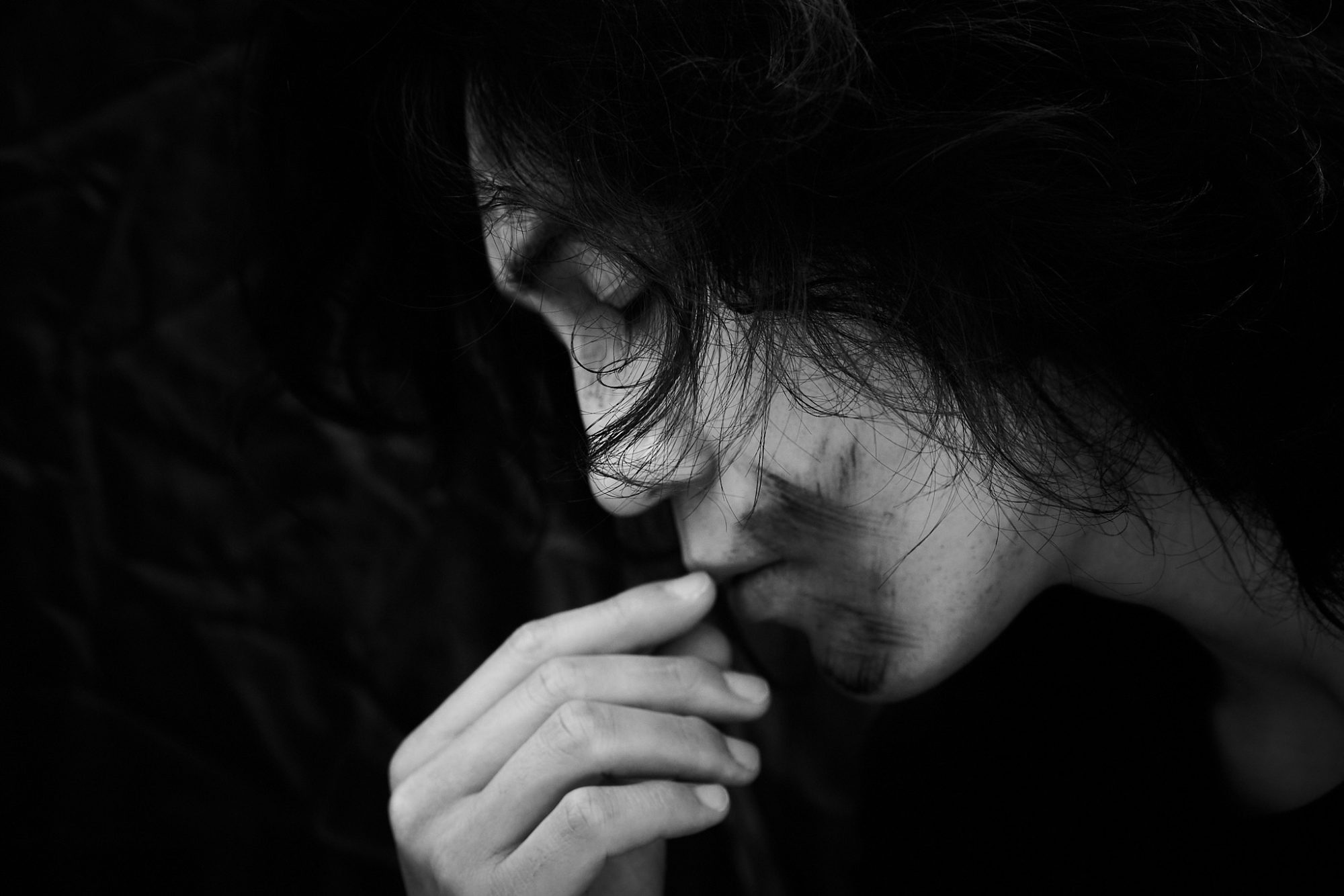
Social Minority

私は自閉スペクトラム症(ASD)という特性を持っています(多分)。ASDの人は「相手の気持ちを推測する力(認知的共感)」が生まれつき弱いとされています。けれど、だからといって認知そのものが歪んでいるわけではありません。
むしろ私は、数学のように慎重に分析して物事を判断します。わからないことは「わからない」と保留する。根拠もないのに「たぶんこうだろう」と言ってしまう人より、ずっと誠実だと思っています。

たとえばよく使われる「SST(ソーシャルスキルトレーニング)」という方法があります。これは「空気を読む練習」をパターン学習で身につけるものです。けれど、実際には目の前の人の気持ちにフォーカスしているわけではありません。
言ってみれば「この図形は正三角形に見えるから角度は60度でしょ」と答えるようなもの。偶然正解することもありますが、必ずしも正しいとは限らない。多数派には通用しても、少数派の気持ちには当てはまらない。私はそこに強い違和感を覚えます。

私自身は、古典演劇の稽古で「ビート解析」という訓練を少し受けた経験があります。これは、登場人物の感情の変化を一つひとつ細かく分析し、丁寧に追っていく作業です。その経験から学んだのは、人間の心はどれだけ複雑でも、真剣に観察し分析すれば理解できるということでした。
だからこそ、雑な分析で演技している役者を見ると「目の前の相手と本当に繋がっていない」とわかってしまう。私はそれを受け入れられません。この「本当に相手と繋がるために丁寧に分析する」という姿勢は、私の人生のテーマのひとつだと思います。

現実では、多数派と反応や言葉の選び方が違うために、私はしばしば「奇人扱い」されてきました。それは「お前には欠陥がある」「間違っている」と言わんばかりの扱いです。私は人と違うことをよく理解していますし、合わせるつもりもありません。けれど、その「違い」をあたかも悪であるかのように迫害してくる態度は、差別以外の何物でもありません。
ただ私は、背が高く、成績も良く、見た目も派手で、治安の良い地域に育ちました。親譲りで気も強かった(意外とシャイだけど)。家も貧しくはなく、そして私が問題を起こすたびに、裏では母が支えてくれていたのかもしれません。
つまり私は「強かった」からここまでやってこれただけで、それは生まれながらに恵まれていたということです。

だからこそ、今の私にとって大事なのは、この違和感や感覚をどう周囲に伝えていくか。経験のない人にも届くように、どんな教育コンテンツを作っていけるか。結局そこに立ち戻るのだと思います。

論理的思考能力を高めるハイレベル数学講座と併せてね。

ーーーーーーーーーーーーーーーーーーーーーーーーーーーーーーーーーーーーーーーー

I am on the autism spectrum (ASD). People with ASD are often described as having weaker cognitive empathy—the ability to infer or reason about what someone else might be feeling or thinking. This is different from emotional empathy—the capacity to resonate emotionally with another person’s feelings. In my case, while cognitive empathy may not come naturally, that does not mean my cognition itself is distorted.

On the contrary, I tend to analyze things carefully, almost like mathematics, before making judgments. When I don’t know something, I leave it as “I don’t know.” Compared to people who casually say “It’s probably this” without evidence, I believe my way is much more honest.

For example, there is a well-known method called “SST (Social Skills Training).” This is essentially a kind of pattern learning to “practice reading the room.” But in reality, it doesn’t actually focus on the feelings of the person in front of you.
It’s like looking at a shape and saying, “That looks like an equilateral triangle, so the angles must all be 60°.” Sometimes you’ll get it right by chance, but not always. It may work for the majority, but it doesn’t apply to minority experiences. That gap is what gives me a deep sense of unease.

I myself once had some training in “beat analysis” during classical theater rehearsals. This was an exercise in which you analyze each shift of emotion in a character, one by one, with great care. From that, I learned that no matter how complex the human heart is, it can be understood if you observe and analyze it sincerely.
That’s why, when I see actors performing with sloppy analysis, I can immediately tell they are not truly connected to the person in front of them. And I cannot accept that. To me, this attitude of carefully analyzing in order to truly connect with others has become one of the themes of my life.

In real life, because my reactions and choice of words differ from the majority, I have often been treated as an oddball. It is as if people are saying, “You are defective, you are wrong.” I understand very well that I am different, and I have no intention of conforming. But to treat difference as if it were evil, and persecute it—that is nothing less than discrimination.
That said, I was tall, did well in school, stood out in appearance, and grew up in a safe neighborhood. I was strong-willed, something I inherited from my parents. My family was not poor, and perhaps my mother quietly supported me whenever I caused trouble. In other words, I made it this far only because I was “strong.” That strength itself was a kind of privilege I was born into.

That is why, for me now, the real question is how to communicate these senses and discomforts to the world around me. How to create content that can reach people who haven’t had the same experiences. In the end, I always return to that point.

ーーーーーーーーーーーーーーーーーーーーーーーーーーーーーーーーーーーー

と、ここまではChat GPTで整えた文章でして
と言うのも先日、親友に、
「お前の文章は不親切だ」と指摘されましてね笑

まあたしかに並べてみると一目瞭然というか、
実際、さもしい事に、大人はわからない言葉とか、
当然自分で調べるでしょ、とか、
わかるまで想像力働かせて考えるでしょ、
とか思ってる自分がいたことに気づいたんだよね。

それはもうね。俺はそういう人間だからってことなんだよ。他人に対してね。
だけどまあ、他人からしてみれば、そこまでのモチベーションは俺に対してないわけで、
きっと他に仕事もあるしね。みんな忙しいんだよね。
俺みたいに古代ローマ人みたいな生活は誰もしてないわけだよ。
なのにそれを要求されてると肌で感じたら、たしかにそれはプレッシャーかもしれないよな。
優しい人であればあるほど、そのプレッシャーに押しつぶされそうになるのかもしれない。

俺はちっとも、優しくないと言えば、たしかにそうなのかもしれんと思ったよ笑

というわけで、原文はこちら。

ーーーーーーーーーーーーーーーーーーーーーーーーーーーーーーーーーーーー

俺はASDだし、認知的共感能力は先天的に持ってはいないけど、認知が歪んでるわけではないと思うけどなあ。数学的に、けっこう慎重に分析して議論するタイプだと思うし、わからないことはわからないと判断するから、パターン的にこうだろうって言っちゃう人よりもむしろ誠実だと思うんだけどな。

SSTとか、まじで雑やなあとしか思わないもん。空気読むってこういうことなんでしょ?完全なるパターン学習で、目の前の人にフォーカスできてないってことだよね。それはマジョリティにしか適用されないわけでさ。マイノリティは基本的に当てはまらないよ?多様性はどこへいったのさ?妙だなあと思う。

俺はやっぱり、古典演劇のビート解析とか、少しでも訓練させてもらえた経験があるから、もうどれだけ複雑な心情の変化や、稀な性格の人であっても、細かく慎重に分析すれば答えに辿り着くって知ってしまったわけで。そりゃ雑に分析してる役者の芝居なんて見られたもんじゃないよ。

そういう人はもう、目の前の人と繋がらずに、演技するからね。本当にひどいもんだよ。ここら辺りはやっぱり、俺の人生のひとつのテーマなんだと思う。論理的思考能力だけじゃないんだよな。そんなことを企画書を作りながら思っていたよ。

まあこの感覚というか、違和感をさ。
どう伝えていくかなんだよね。
そりゃ経験のない人は、ある意味見たことのない景色だから、よっぽどの想像力とモチベーションがないと、理解できないのは当然なんだよね。そういう人にどう伝えられるコンテンツを作るかなんだ。

言ったらほら、たとえば図形の問題でさ。角度求めてくださいって聞かれて、図を見て正三角形みたいな形してるから60度って答えてるようなもんなんだよ。SSTってやつは。それで正解してしまうのが多数派の行動力学ってわけだけど、みんながみんなそうなわけないだろ?

けど俺はみんなと反応や人との向き合い方、発言の仕方が違うからって、奇人変人扱いされてしまうわけでさ。それはけっこう辛いなとは思うよ。だって差別と何が違うの?まあそれでも圧倒的に強キャラだったからここまで挫けずに来られただけであってさ。だから俺は恵まれてるって自分でも言うんだけど。
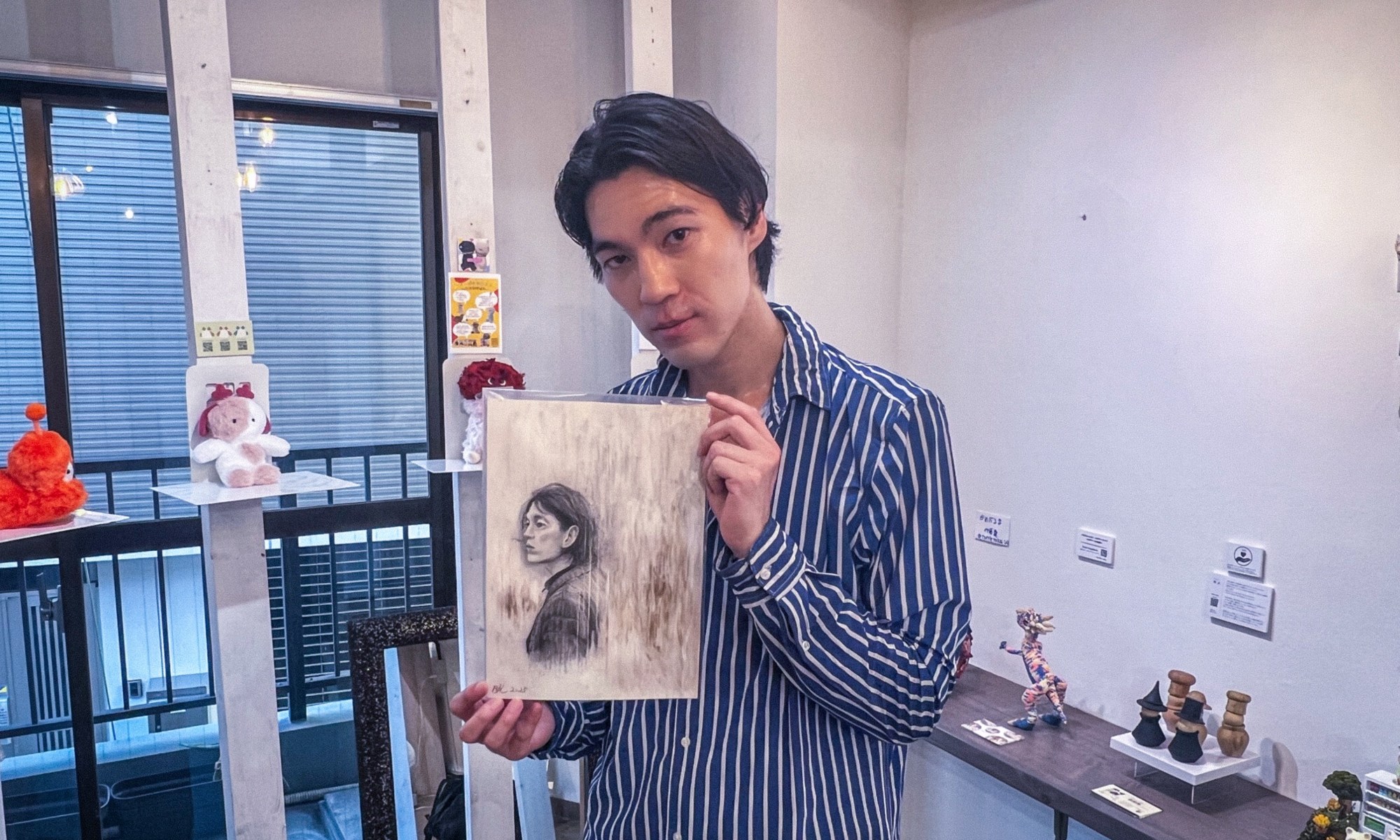
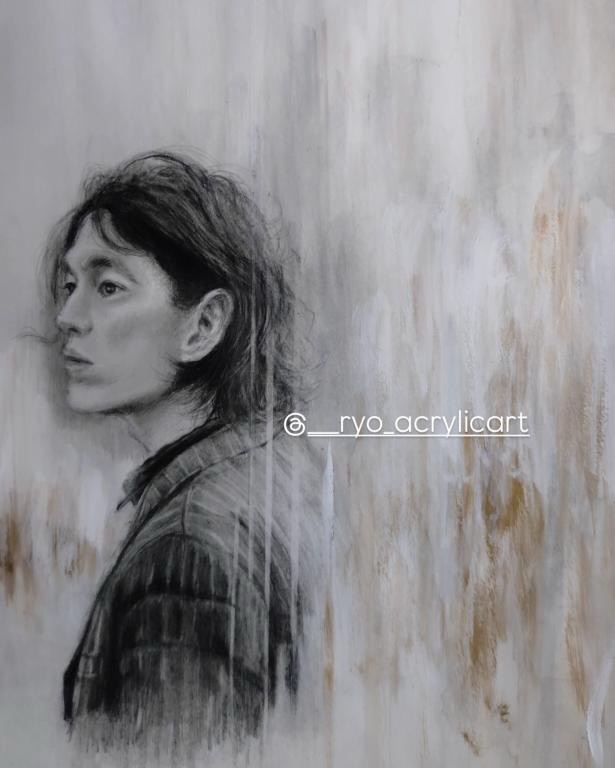
The Portrait

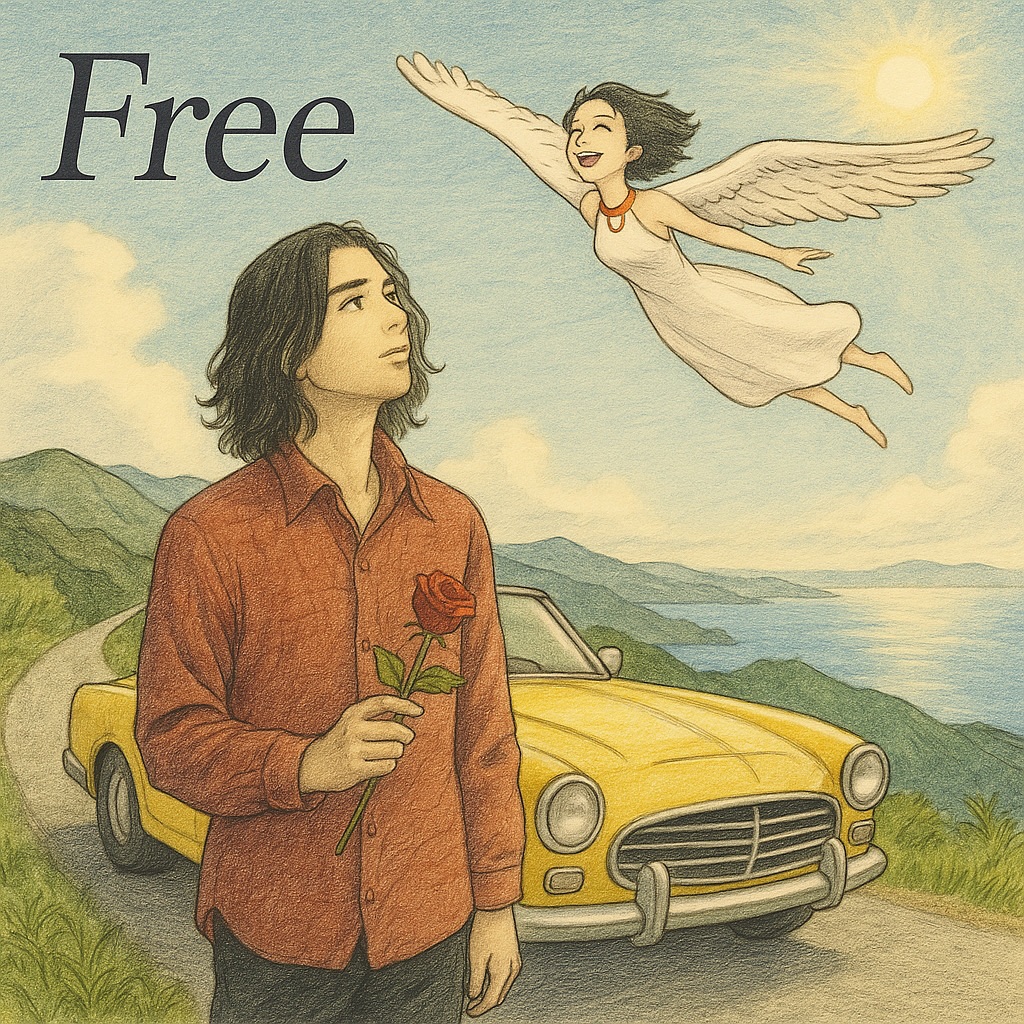
肖像画を描いていただきました!
昨日ついに原画をゲットです
やはり実物には、画像では感じきれないチカラがあります
素敵な作品を本当にありがとうございます!!

I had my portrait painted! Yesterday I finally got the original. There’s a certain power in the actual piece that just can’t be felt through photos. Thank you so much for this wonderful work!!

@__ryo_acrylicart

We could understand each other

俺ってもしかして
自己愛性パーソナリティ障害的に
思われてたりするのかな
だとしたらすごくかなしいなあ
たしかに自己愛は強いけど
そうではないと信じてるよ

みんなわかりあえればいいのに
とは思ってるよ、今は淡くだけど
きっと我々はわかりあう為の手法を学んでこなかったんだろうな
NVCの本読んで思ったけど
詰め込み教育ってそういうもんだし
ずっと正解と定義されたものを押し付けられてきたわけで
それではわかりあえるはずもないんだよな

お互いに真理を探求していくことがわかりあうことの第一歩なのではとは思うのだけどね
数学っていうのはまさしく恣意的に作られた答えではなくて
不変の真理を論理的に追求していく学問であるから非常に良いと思うのだけれど
反面、行きすぎると人間の感情を置き去りにしすぎるきらいがある

特にアイデンティティや感情と結びついた考えは、意見そのものが「自分自身」と同一化されてしまうため、揺さぶられること自体が痛みになる
その感覚は、無我の境地で真理を探究することに慣れている人間からすれば、まったく寝耳に水だったりするわけで、これはこれでわかりあえるところには行きつけない

そうは言ってもじゃあ理系の科学者が必ずしもエゴのない人間かといえば、理化学研究所のドロドロを見てもわかるとおりで、そういうわけでもない

結局はその両輪が重要になってくるのだと思う
これから教育コンテンツを考えていく上で、重要な指針となるだろう

I wonder… could it be that people think of me as having narcissistic personality disorder?
If so, that would make me really sad.
I know I do have a strong sense of self, but I truly believe that’s not the case.

I do wish people could understand each other—though right now that wish feels faint.
Most likely, we were never taught the methods for truly understanding one another.
Reading the book on NVC made me realize: our cramming-style education was all about being forced to accept “the correct answers” as defined by others.
No wonder genuine understanding never had a chance to grow.

I think the first step toward mutual understanding is the shared pursuit of truth.
That’s why I value mathematics—it’s not about arbitrary answers, but about logically seeking out eternal truths.
At the same time, it has the danger of leaving human emotion behind if taken too far.

Especially when thoughts are tied to one’s identity or emotions, opinions become fused with the self itself.
In that case, having your ideas challenged is experienced as a kind of pain.
For someone accustomed to exploring truth in a state of detachment, that very sensitivity may feel completely foreign—yet it makes true mutual understanding difficult.

That said, it’s not as if scientists are always egoless people.
Looking at the mess within institutions like RIKEN makes that clear enough.

In the end, both are essential.
I believe this balance will become an important guiding principle as I think about creating educational content in the future.

Knowing sufficiency

足ることを知ってしまった人間に、向上心はまだ湧いてくるのだろうか。

欲望を手放したなら、もう先へ進む必要もなくなるのではないか。

けれど、そうとも言い切れない。

欠乏から生まれる願望は、ただの渇きに過ぎないのではないか。

むしろ、足るを知った後にこそ、「美しいかどうか」だけを基準にした向上心が芽生えるのかもしれない。

知足とは終わりではなく、余計な執着を削ぎ落とした後に残る静かな始まりなのではないか。

その始まりを導くのが、美学なのではないか。

Can a person who has already learned the meaning of “knowing sufficiency” still feel the stirrings of ambition?

If one has let go of desire, wouldn’t the need to move forward also disappear?

And yet, perhaps it isn’t so simple.

The kind of yearning born from lack may be nothing more than thirst.

Rather, it may be only after knowing sufficiency that a new drive emerges—one guided solely by the standard of “is it beautiful?”

Perhaps knowing sufficiency is not an end, but a quiet beginning that remains once all excess attachments have been stripped away.

And it may be aesthetics that leads us into that beginning.

Set me free

高額なお金が引き落とされたときの
尋常でない恐怖感にそろそろ勝ちたい
まあ随分長く収入がないからなんだが
この恐怖を乗り越えない限り
真の幸福には到達できない
恐怖感を断つのだ!

そのうち数千万円ポンと入ってくるはずや!
(依然として明確な根拠はない)

でもまあ見ないようにしてちゃダメだな
そろそろちゃんと向き合わないと
向き合った上で恐怖を感じないってならないと
本当の意味で自由にはなれない
俺めちゃくちゃお金に関して回避型やったわ
決算して法人税払わなきゃだ

物欲とかはないので
金持ちになる予定は今後もないけど
月収100〜200万くらいはあると
経営としては随分と助かるなあ
また制作費も集めなきゃだし
あとは世界を飛び回って勉強しながら
活動したいとかはあるなあ
子育てするにもその方がいいでしょ笑

I want to finally overcome this abnormal fear I feel whenever a large sum of money gets withdrawn.

Well, it’s because I haven’t had income for such a long time, but unless I get past this fear, I’ll never reach true happiness.

I need to cut it off once and for all!

Someday, several tens of millions of yen will just come pouring in—

(even though there’s still no clear basis for that).

But I can’t just keep avoiding it.

It’s time I face it properly.

And unless I can face it without fear, I’ll never be truly free.

I’ve been extremely avoidant when it comes to money.

I need to settle the accounts and pay the corporate taxes.

It’s not that I have material desires, so I don’t plan on becoming “rich.”

But if I could earn 1 to 2 million yen a month, that would really help with managing the business.

I also need to raise funds for production, and I’d like to travel around the world, study, and keep working.

That would also be better for raising children, wouldn’t it?

What makes you happy??

自分が本当に幸せに思えることが何か
ちゃんと気づけていますか?
むしろ考えないようにしていませんか?
遊びのつもりでもいいから
イメージしてみるといいもんですよ

嫌なニュースばっかり目にしてしまうと
そんなの無理だろって
諦めてしまいそうになるよね
本当に俺でもそうだもん
こんな馬鹿げたことやってられるかと思う

その思考からどうやって脱出するかが
自由になる為の鍵なんだろう
案外、遊び心なのかもしれない
本物の遊びはストイックでなきゃできないよ

やっぱりFlowなんだよな
今の世の中にはFlowがないんだよ
ストーリーがないと言ってもいいのか
Δtがどんどん小さくなっているとも言えるか

そこらあたりの意識改革がひとりひとりあれば
随分とスケールアップしていくような気はするけどね
ミクロとマクロの両建てでさ

Are you truly aware of what makes you happy?
Or are you, in fact, trying not to think about it?
Even if it’s just as a game,
imagining it can actually be a good thing.

When all you see is bad news,
you start to feel like, “That’s impossible,”
and give up, don’t you?
Honestly, even I feel that way sometimes,
like, “I can’t keep doing something this ridiculous.”

But maybe the key to freedom
is figuring out how to break out of that mindset.
Surprisingly, it might be a sense of play.
Real play, after all, requires a certain stoicism.

In the end, it’s all about Flow.
What’s missing in today’s world is Flow—
or maybe you could say, there’s no story.
It’s like Δt keeps shrinking smaller and smaller.

If each person could shift their awareness in that area,
I feel the scale of things could expand dramatically—
bridging both the micro and the macro.

Aiming for Freedom

やはり今の世の中に必要なのは精神性だ。
自由という名のもとに、世界的に宗教がどんどん廃れていく中で、むしろ精神性は幼稚になっていっているのだと思う。
かといって、それによって人々が自由になったかといえば、必ずしもそうではないという悲劇がある。

美学や精神的なポリシーを持たない人は、結局、無限にある選択肢の前でどう動けばいいのかわからず、立ち尽くしてしまう。
結果的に、自分ではない何かに流されてしまう。
それは「自由」という名の監獄に入ってしまうようなものだ。

資本主義のゲームに乗っかって成功しているプロ経営者も、そこに理念がなければ、ただ流されているようにしか見えない。

となると、やはり新渡戸稲造の『武士道』を読むべきなのかもしれない。
真の抑圧からの解放とは、やはりストイックの先にあるのではないか?

What the world truly needs today is spirituality.
In the name of freedom, religion has been rapidly fading across the globe, yet spirituality itself seems to have regressed into immaturity.
And the tragedy is that this decline has not necessarily brought people greater freedom.

Those who lack an aesthetic sensibility or spiritual principles, when confronted with endless choices, find themselves unable to move forward—paralyzed, and ultimately swept along by forces outside themselves.
It is as if they have entered a prison disguised as “freedom.”

Even professional executives who succeed in the game of capitalism, without a guiding philosophy, appear to be nothing more than people carried away by the current.

Perhaps, then, it is time to revisit Inazo Nitobe’s Bushido.
For true liberation from oppression may lie only beyond the path of stoicism.

Who made a war?

プーチンを「戦争犯罪人」と断定することが、果たして平和に近づくことなのか。
私はむしろ、それが平和から遠ざかる行為のように思えます。
戦争に絶対的な善や悪を単純に当てはめてしまうと、議論の余地がなくなり、出口を見失ってしまうからです。
では、真珠湾攻撃は犯罪だったのでしょうか。もしそう言えるとしたら、それは「負けた側」だったからではないでしょうか。
安全圏から一方的に正義を語ることに、私は強い違和感を覚えます。正義感を振りかざすだけでは、本当の平和につながらないと感じています。

もちろん、
• 戦争が悪であること
• 戦争を起こす者が最悪であること
• そして犠牲になるのは常に庶民であること
この点については、全く異論はありません。

ただ、その先をどう考えるかが重要です。まともな議論がなければ、私たちは結局、煽動される庶民にとどまってしまいます。
メディアは「恐怖」を通じて人々を動かそうとしますが、恐怖にとらわれないことで初めて、自由な視点を取り戻せるのではないでしょうか。

その上で、現代日本の教育にも課題があると思います。
知識を大量に詰め込み、受験や偏差値で序列化される中で、「権威に従うこと」が生き残り戦略となってしまう。
そして、優等生ほど「自分が間違っているかもしれない」という視点を失い、結果的に戦争や権力の正当化に加担してしまう。
結果として、疑問を抱くよりも「多数派に合わせること」が優先され、思考を止めてしまう。
こうした環境は、戦争や社会問題を「絶対的な善悪」で単純に切り分ける姿勢を助長してしまうのではないでしょうか。

そしてそれは、学者やインフルエンサーの発信にも表れています。
責任を負わない立場から一面的な断定を繰り返す姿を目にすると、なぜこれほどまでに単純化した言葉がもてはやされるのか、不思議に感じます。
彼らは権威に従うことで多数派に身を置くことができるのかもしれません。
しかし、そこに真実があるとは限らないのだと思います。

結局のところ、誰かを恐れたり憎んだりする心そのものが、戦争の温床になってしまう。
私自身、怖がりだからこそ、その構造に敏感なのかもしれません。
だからこそ、自分の日々を振り返り、精進していくしかないのだと思っています。

Is it truly a step toward peace to declare Putin a “war criminal”?
To me, it seems rather to move us further away from peace.
When we impose absolute notions of good and evil onto war, we leave no room for discussion and lose sight of any way forward.

Take Pearl Harbor, for example. Was that an act of crime? If so, might it simply be because Japan was the side that lost?
I feel a strong unease with those who speak of justice unilaterally from a safe distance. Wielding only a sense of righteousness does not, I believe, lead us to genuine peace.

Of course, there is no question that:
• War itself is evil.
• Those who start wars are the worst.
• And it is always ordinary people who suffer the consequences.

On these points, I have no disagreement whatsoever.

What matters is how we think beyond that. Without genuine debate, we remain nothing more than common people swayed by propaganda.
The media seeks to move us through “fear,” but only by refusing to be trapped in fear can we begin to reclaim a truly free perspective.

In addition, I believe modern Japanese education faces its own problems.
Students are force-fed knowledge, ranked by exams and deviation scores, and in such a system, “obedience to authority” becomes a survival strategy.
And the more exemplary a “model student” is, the more likely they are to lose the perspective that “I might be wrong,” and in the end, they unwittingly contribute to justifying war and power.
As a result, conforming to the majority takes precedence over raising questions, and thinking itself grinds to a halt.
This environment, in turn, encourages the simplistic framing of war or social issues in terms of “absolute good or evil.”

And this tendency is also evident in the words of scholars and influencers.
When I see them repeatedly making one-sided assertions from positions free of responsibility, I cannot help but wonder why such overly simplified statements are so readily celebrated.
Perhaps by conforming to authority, they can secure a place within the majority.
Yet that does not necessarily mean that truth resides there.

In the end, it is the very act of fearing or hating others that becomes the breeding ground for war.
Perhaps because I myself am easily frightened, I am especially sensitive to this structure.
And so, I feel I must continue to reflect on my own life each day, striving to discipline and refine myself.

Fear is just guilty wearing a different name

1985年8月12日、日航機123便の墜落事故。
あの日、母は本来あの便に乗る予定だった。
たまたま一本遅らせたことで命をつなぎ、そのおかげで私は生まれた。
もし予定通りなら、私はこの世に存在していなかっただろう。

そう考えると、「なぜあの人は死ななければならなかったのか」という問いは、人生の節々で胸をよぎる。
今こうして無事に生きていられることは、決して当たり前ではない。
それは何度思い返しても、偶然という名の奇跡にほかならない。

もちろん、あの日の真実をめぐっては様々な事情があったはずだ。
しかし、隠すことや情報を統制することは、本当に誰かを救っているのだろうか。
長い目で見れば、秘密は事態を複雑化させ、関係者をさらに苦しめることもあるのではないか。
そして、その重荷は、隠した当人をも縛り続けるかもしれない。

あれから40年。
もし今も罪悪感を抱えたまま生きている人がいるのなら、それは生き地獄だ。
「正義」や「大義」という言葉を何度繰り返されても、人間の心はそう簡単に割り切れるものではない。

だからこそ、いつか誰かが、その懺悔を受け止めてやってほしい。

On August 12, 1985, Japan Airlines Flight 123 crashed.
That day, my mother was originally scheduled to be on that flight.
By chance, she postponed her trip by one flight, which spared her life — and thanks to that, I was born.
Had she followed her original plan, I likely would never have existed.

When I think about that, the question “Why did that person have to die?” surfaces again and again at different points in life.
The fact that I am here, alive and well today, is by no means something to take for granted.
No matter how many times I reflect on it, it feels nothing short of a miracle — a miracle disguised as coincidence.

Of course, there must have been many circumstances surrounding the truth of that day.
But does concealing facts or controlling information truly save anyone?
In the long run, secrecy can complicate matters, deepening the suffering of those involved.
It may even bind the very people who chose to hide the truth.

Forty years have passed since then.
If there are still people living with guilt in their hearts, that is a living hell.
No matter how many times one invokes words like “justice” or “greater good,” the human heart cannot be so easily reconciled.

That is precisely why, someday, someone should be there to receive that confession.

The most unforgivable crime in this world

国家や制度に対する怒りと憎しみが抑えられず、祟り神になりそう。これほどまでに幼稚で理不尽で、そして無責任なのか。いったい誰が、何の為に作ったのか。誰かのメンツの為に、心ない人間が作ったようにしか思えないほど、非合理的で中身がないし、誰も救われないし得しない。アホの極み。この世で、最も凶悪な犯罪であり憎むべきなのは、想像力の欠如した正義感なんだよ。

とは言え、このまま親父の誤診(2017-2018)やコロナ人災(2020-2022)の時と同様に、憎しみを溜め込んで抑圧されて拗らせて、それが次のトラブルを産むのも本意ではない。だが人生を賭して闘うべきなのかどうかも今はわからない。虚無と混沌の境目くらいか。誰もが救われる浄化の道とは何か?どうにか昇華しなければ。俺がやるしかないのだ。

致命的な欠陥も、その解決策も俺には見えているのに、その声がかき消されてしまう虚しさ。多くの人にとってはきっと、どうでもいいことなんだと思う。その程度、別にいいじゃん、結果オーライじゃんって。俺だって自分が当事者になるまではそうだったもの。だけど明らかな理不尽に蝕まれる苦しみは、経験した人間にしかわからない。かと言って俺は、もう誰も傷つけたくはないから、本当に厄介だ。火炎放射器で全て焼き尽くしてしまいたいくらいに。だけど、本当に誰も傷つけたくはないのだ。むしろ癒したいのに。

I’m overwhelmed by rage and hatred toward the state and its systems—so much so that I feel I could become a vengeful spirit. How could something be this childish, irrational, and irresponsible? Who created it, and for what? It feels like it was designed by heartless people just to protect someone’s pride. It’s absurd and hollow—no one is saved, no one benefits. It’s the height of idiocy.
The most unforgivable crime in this world is a sense of justice that lacks imagination.

Still, I don’t want to repeat what’s happened before—when unresolved hatred led to chaos.
My father’s misdiagnosis, the man-made disaster of COVID, and now this fury toward the system and its empty justice—each of them has planted the same kind of hatred in me.
Left unresolved and repressed, that hatred eventually burst out as uncontrolled emotional rage… and caused another wave of damage.
I don’t want to walk that path again.

And yet, I still don’t know if I should stake my life on this fight. I feel like I’m standing at the edge between emptiness and chaos.
What would a path of true purification look like—one where everyone could be saved?
Somehow, I have to transmute all of this. No one else will. It has to be me.

I can see both the fatal flaws in the system and how they could be fixed. But my voice is drowned out, and the silence that swallows it feels unbearable.
To most people, this probably means nothing. “It’s fine,” they say. “It turned out okay, didn’t it?” I used to think that way too—until it happened to me.
But the pain of being consumed by blatant injustice is something only those who’ve lived it can truly understand.

Still, I don’t want to hurt anyone—not anymore. And that’s what makes it so hard.
Sometimes I feel like setting it all on fire. But deep down, I don’t want to destroy.
I want to heal.
I want to heal others, too.