Watching Mr.Ishiba, I can’t help but feel that maybe we’re all just desperately trying to protect ourselves. Whether it’s a politician, someone close to us, or even ourselves—lately, I’ve been thinking about that a lot. Honestly, if someone were to dig into my own financial situation, it wouldn’t look too good either.
Maybe those old-school ideals—what people used to call a “sense of aesthetics” or “personal code”—have long since faded away. But there’s no point in blaming any one person for that. The air of society as a whole is changing, little by little. That’s exactly why we have to start changing things from where we stand. I still believe that even a thousand-mile journey begins with a single step.
In the end, other people are just mirrors. The feelings and frustrations we have toward others often reflect something inside ourselves. If we don’t change, we can’t expect anyone else to.
In that sense, silence really is golden. Maybe the only way to show what you believe is through clear, undeniable results. After all, there are hardly any people out there you can really have a proper discussion with.
…But still, sometimes I wonder—if we actually sat down and talked, maybe he’d turn out to be a decent guy after all. Everything looks distorted through the media. Even just having someone else in the middle complicates everything. And when that happens, you start to lose sight of what’s real.
So lately, I’ve come to think: maybe it’s okay not to know. Trying too hard to find answers, or pretending to understand— those things can end up hurting people, and that’s not what I want. Sometimes, it takes courage to leave things alone, even if you don’t fully understand them.
Because maybe, forcing an answer won’t actually fix anything. What matters is whether we can keep moving forward without losing that spark of initiative. That delicate balance—between not knowing and not giving up— is probably what makes it all so difficult, and so important.
When we say “bird’s eye,” it often feels oddly detached— as if we’re talking about someone else’s story.
But maybe true perspective isn’t like that at all. Maybe it’s more like your own self being gently extended into the sky, still you, just higher—watching the world from above. That, I think, is what really matters.
Because you remain yourself, you can still empathize—as one living inside the story. And yet at the same time, your view is wide, encompassing the whole.
To take a broader view doesn’t mean abandoning emotion. Even from above, you don’t lose the warmth of your body down on the ground. That warmth is what allows you to see—really see.
Even when you rise high and look down, your presence is still part of the landscape. To look out over the world without forgetting that warmth— maybe that is what it truly means to see from above.
”Is There Something Wrong with Wanting to Solve Problems?“ —A Monologue from One Who Chose to Resist the Current
Lately, in conversations with many different people, I’ve come to a realization: Even the most brilliant minds rarely try to solve problems at their root.
Most people think about how to come to terms with problems— how to live within them. That, perhaps, is what society considers “normal.” And in some ways, it’s a humble stance.
By contrast, those who keep asking questions like “Why is this happening?” or “Can’t we change it from the ground up?” may seem arrogant, bothersome—even unhinged. Still, I simply can’t bring myself to silently accept things as they are. The phrase “go with the flow” may sound beautiful, but at times, it looks no different from neglect or surrender.
Is this what people mean by being chill? If so, I must be one of the “intense” ones— even if I look cool and detached on the outside.
—
This society is overflowing with symptomatic treatments. The will to face root causes is often avoided— or perhaps, people have already been stripped of the time and emotional capacity needed to face them. Everyone is simply too busy. Relentlessly so.
Looking out at the cityscape, I can’t help but feel it. People spend their days merely reacting, without pause to think, just drifting on the surface of things. It feels like the inevitable end point of a society that has grown too materially abundant.
—
I’ll never forget when my father died of cancer. From the moment he was diagnosed, we were told there was no hope. It was terminal. And yet, we were given no options beyond standard treatment.
I couldn’t accept it. I clashed with the doctors repeatedly. I even confronted them over the possibility of misdiagnosis. There were times I lashed out without choosing my words, and we had more than a few heated arguments. But none of it made a difference. I came to realize how medicine, as a structure of authority, had ceased to allow individual voices to be heard.
Even decisions about how to live and how to die were taken away from both the patient and the family. Despite knowing there was no chance of recovery, we were placed on the rails of “life-prolonging treatment” with no real alternative.
What I felt wasn’t despair— it was a quiet rage and a cold, biting sense of powerlessness. It wasn’t just a family tragedy. It was a structural issue—one that strikes at the very root of how we live.
If anything brought meaning, it was a surgery arranged through a doctor I found by chance— a procedure meant only to help him eat again. It may have shortened his remaining time, but my father chose it. And after rehabilitation, he thanked me— perhaps for the first and last time. Even in the face of death, he chose to live as a human being. I now remember that I captured that moment in a song called “Generation.”
It may have been the only real success we as a family experienced during his illness. But we weren’t allowed to remain in that hospital. As soon as he returned to the original one, his condition quickly deteriorated again.
—
All I can do now is show the way. There’s no other way for my words to reach people except by proving them in practice. That, I believe, is my role—my mission—as a scientist.
Someone, somewhere, is watching. Even if I’m not appreciated now, if the message reaches someone someday, that alone will be enough.
And so, I try—however haltingly— to speak my truth to the very end.
—
Life is the pursuit of a path. Business is a tool, never the destination. The moment we hand our soul over to the means, we become hollow.
—
If I had to name my one “symptomatic treatment,” perhaps it would be suicide. No—I don’t mean that lightly. But I do recognize how extreme my tendencies are.
Maybe that’s exactly why I want to solve things. If so, then “solving” might be my only strategy for survival. It sounds strange, even to me. But that’s how it feels.
—
It’s not that I can’t adapt or blend in. If I choose to, I can read the room and follow along. But the stress that comes with that effort is overwhelming.
It likely stems from my neural structure— what people often call ASD. Automatically obeying the “right” expectations of others feels almost like a form of violence to me.
That’s why, now, I follow a certain aesthetic: I must not go along with it. To me, this isn’t a matter of capability. It’s a matter of choice.
In my early twenties, I worked as a bartender for six years in a customer-centered bar. It wasn’t a host club, but it required an exquisite sensitivity to moods and unspoken signals.
In extreme terms, being a proactive yes-man was treated as virtue. When I got too used to that job, I found myself unable to create music. It felt like the contours of my identity were dissolving into the emotions of others.
Looking back, it was probably a form of adjustment disorder.
From that point on, I began to deliberately stop “reading the room.”
Only recently have I begun to understand— the aesthetics and convictions I hold can sometimes come across to others as pressure or even fear. It might be similar to how Westerners once watched samurai commit harakiri and thought, “These people are insane.”
It has never been my intention to appear threatening to others. That’s the last thing I want.
Yes, within me there are ASD-like traits, and a strong personal aesthetic. But only recently have I begun to notice the noise, confusion, and unnecessary elements beyond those. Clearing those away— that, I believe, is the first step toward solving anything.
Trauma is acquired, not innate. Like weight, it can be shed if faced.
I’ve never believed that I’m right and the rest of the world is wrong.
—
There’s one thing I’d like to leave with you.
I don’t want to hurt anyone. I don’t want to negate anyone, either.
It may not seem that way. You don’t have to accept me. But there are times when I simply don’t know what else to do.
So—
Please just keep these words in a small corner of your mind. That’s all I ask.
What am I really being controlled by, as I live my life? To be truly free, perhaps the only way is to face my past and let go of each burden, one by one. I thought I had done that through the power of creativity, to a large extent. But the weight of over thirty years of life is no light thing for a guy like me. And it seems it can’t all be explained by genetics alone. Maybe I have no choice but to lean on someone else’s strength. In that sense, I might have been lucky to find a good specialist.
These days, the world doesn’t seem to want dramatic artists anymore. The sharper I become, the stronger the headwind I feel. And yet, what I love hasn’t changed—and I have solid reasons for that. I’m not trying to pick fights with anyone. But I know I can’t live this life alone. I even think the idea of total independence is a kind of arrogance. There’s only so much you can do on your own. Still, that doesn’t mean I can just settle or compromise. I believe the only way humanity can survive is by reaffirming the value of being human, and connecting with one another with mutual respect.
But now, eliminating those we dislike or deem “foreign” seems to have become the norm. Even those who say all the right things on the surface often act otherwise. The world is full of closet bigots now.
…Well, truth be told, I’m stubborn too.
Deep down, I want to be understood. And yet I often push people away. I don’t hesitate to be misunderstood. And even when it seems like I’ve given up, I never stop expressing myself. So yeah, I probably am some kind of inexplicable monster.
It’s probably unfair to expect others to match my intensity. I do have this hyperfocus trait, after all. And the amount of free time I have to move freely is clearly different from most. That just shows how much people are living under pressure. But even so—I still don’t understand what exactly is chasing them.
Since my teenage years, I’ve lived by this motto: “Accept anybody, follow nobody—though, it still makes me lonesome a little bit.” That stance hasn’t really changed. I rarely reject anyone. Even when I’m attacked, I may get emotional, but I still can’t bring myself to truly hate. If I ever truly hated someone, I’d probably turn into a cold machine. Many important people have quietly left my life. Some have come back; some haven’t. I do my best to hold on, to talk things through. But in the end, people can’t be stopped. I can’t chain anyone to me, no matter the reason, if they decide to leave. They say, “Everyone has the freedom to disappear.” I get it—but it still hurts. Some losses leave you hollow. Many vanished without a word. It didn’t matter if they were old or young, male or female— it was the same in both my personal life and my work.
Maybe they thought I was too hard to deal with. Or maybe they didn’t know the reason themselves. Maybe guilt made it too hard for them to say anything. No wonder “quit-your-job agencies” are trending. Being too articulate can be a curse. Maybe I made them feel cornered with no way out. I wish I’d been able to create a bit more breathing space. Come to think of it, there was one time I got so fed up, I just quit without saying a word. That was the only time—before or since. Kind of like a half-strike, really. But no one from that side ever contacted me after that.
At the core, I probably won’t change. But around the edges, I’d like to become a bit more tolerant. I want to learn to stand beside people’s emotions—unconditionally. And I want to become someone who can truly give to those I want to give to. If I had to name it, maybe that’s the transformation I should strive for. I’m sure there are many others living with the same kind of struggle. I hope I can be someone who stands by them. I hope they’ll come to recognize the value they hold inside. I want to become someone they’d feel drawn to. But no matter how much I try to look bigger than I am, people can still see through the act. That only adds pressure. It’s frustrating, maybe I just haven’t caught up in ability yet. But someday, I will.
Still, I do think I’m lucky. To have done all this reckless living and still be alive— maybe it means God has a purpose for me. The people around me have shown me kindness, in their own ways. I hope I can repay those feelings someday.
I’ve got a mountain of ideas I want to make real by my next birthday in April. Until then, it’ll be a fierce battle with myself. I plan to step away from Tokyo a bit. I might become more distant, less social than before. But maybe that’s just the phase I’m entering. When I do see someone, I want to have a real, meaningful conversation. Otherwise, I just get too exhausted. I’ve quit alcohol and coffee. Maybe I’ll quit everything that doesn’t suit me, just for now. These days, even small strains seem to ripple through me somehow. I can’t fool myself anymore. Still, I hope the day comes again when I can drink with joy.
Even if I can’t see someone physically, I believe that true connections don’t break. If I can reach that kind of place emotionally, maybe even something as daunting as studying in the U.S. will start to look possible. Maybe I’ll end up working internationally, flying from country to country. I’ve never been into simple sightseeing. It’s not that I want a long stay for its own sake—what matters to me is learning something meaningful. …Then again, I might just silently drop dead one day. That’s life, I guess.
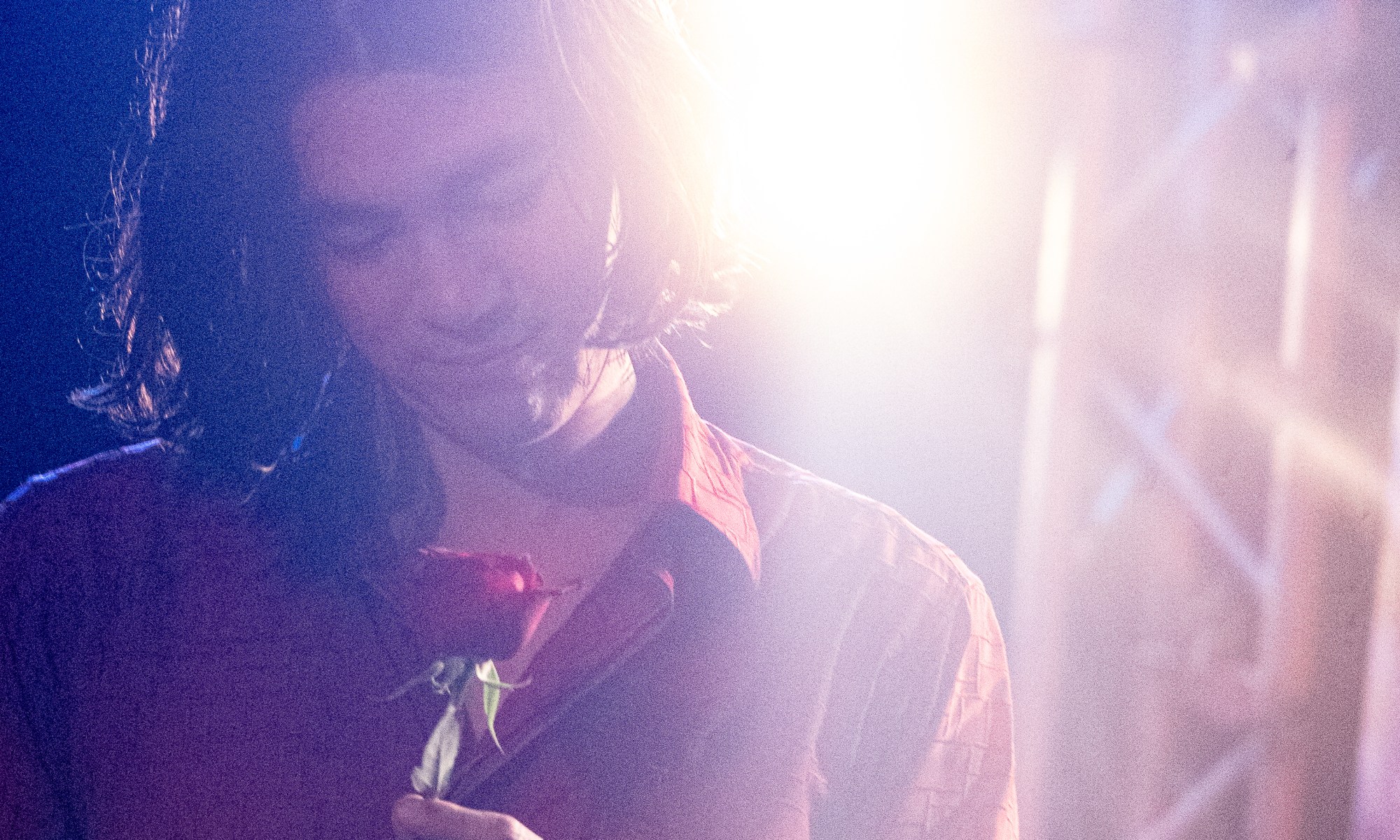
Still, I’ll try to balance this obsessive seriousness with a light-hearted sense of play. No matter how cornered I get, I want to be the kind of presence who shows up in the chaos— with a rose in hand.
This release, like the last, brings together three songs centered around the theme of liberation from repression, and the responsibility that inevitably follows.
“Capital Tarzan Rhapsody” is a song I wrote 13 years ago—an infamous track that ultimately led to the breakup of the band I was part of at the time. With its African-inspired rhythm, vocal phrases, animal mimicry, oriental melodies, and rapid-fire key changes, it’s a progressive piece packed with bold ideas I might hesitate to attempt today.
“Let me kiss the liberty” is a co-written track with Sho Kawabe, guitarist of TAMIW. He created it for a special segment I produced 12 years ago, where bands were invited to co-write and perform together. There were four acts on the bill besides me, but Sho was the only one who actually composed something for it, making this song especially meaningful. It marks our second collaboration after “TIME TRAVEL”, a beachside favorite that always gets a great response both in Japan and abroad.
“Heart-in-true dance” was also included in my previous release, Generation, but thematically and sonically, it felt right at home here—so I’ve included it once again.
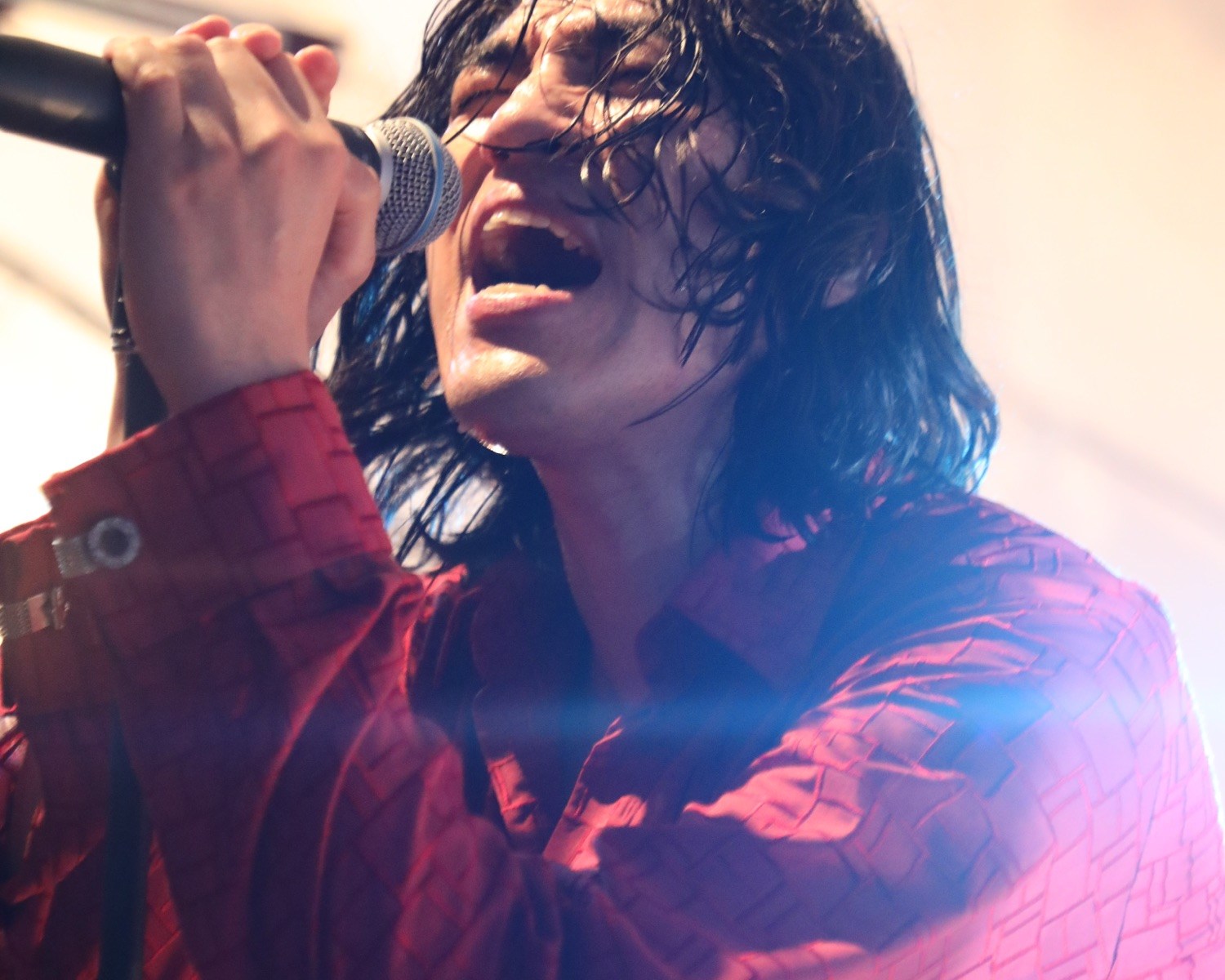
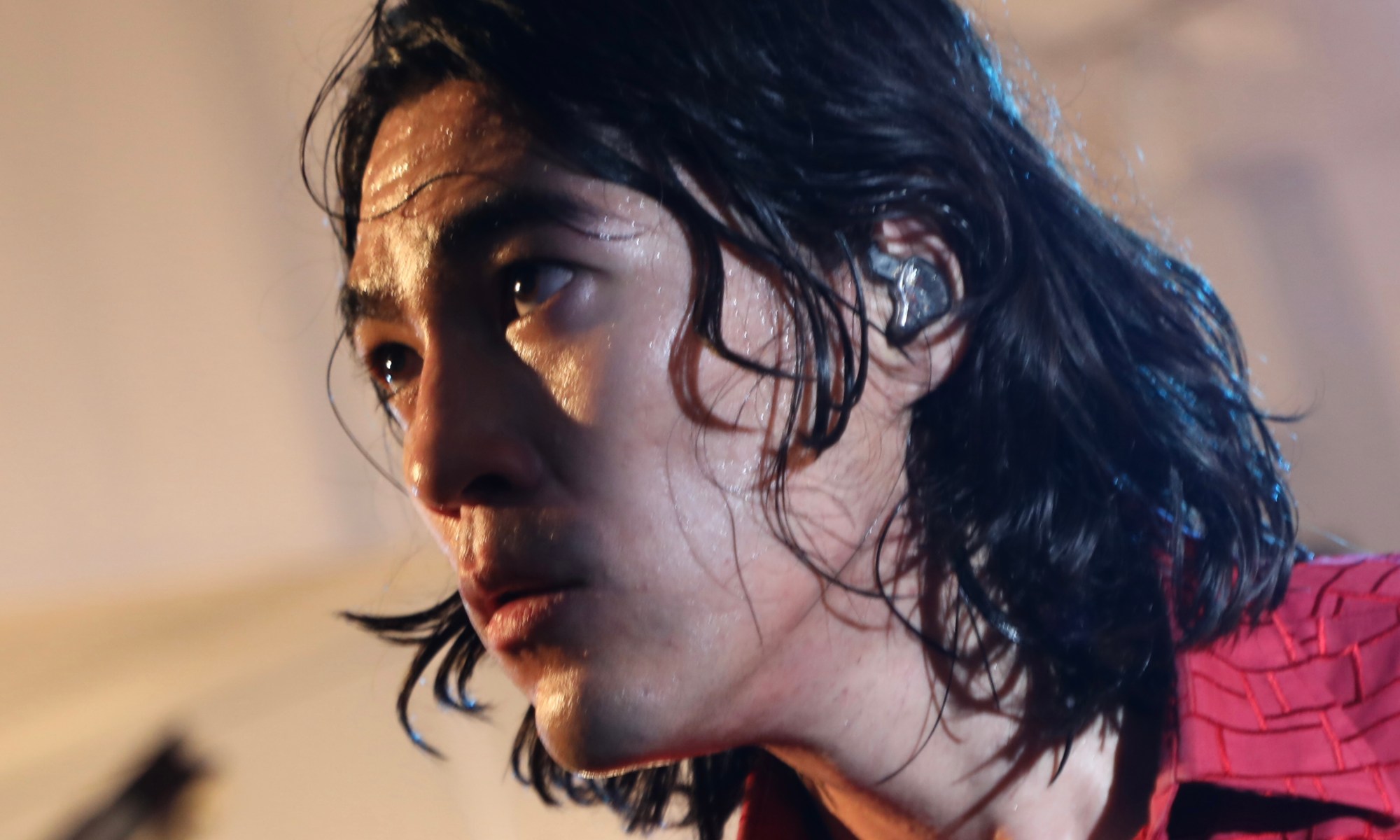
Hollywood Film Festival behind me, my first live show back in Japan turned out—as always—to be incredibly dramatic. It might sound like self-praise, but I honestly believe it could be called my ultimate performance to date. Following a five-hour open rehearsal featuring over 20 songs—including new ones—the show began. With each member physically drained, there was no space left for distractions, in the best possible way. What emerged on stage was something raw, fleeting, and impossible to recreate. Once again, I was reminded: a live performance is, quite literally, a living thing.
This time, we’ve captured that moment as a documentary—uncut, unedited, and in full. I hope you’ll stay with us until the end, and enjoy every moment.
Vocal, Composer & Director: Dan Mitchel Piano, Synthesizer & Sax: Hinata Ishii Bass: James Hodaka Kageta Electric Guitar: GODO Terasawa Percussion: Gai Seki Sound Engineer: Ken Yamakawa Female Dancer: Jasmine Mazlika Male Dancer: Sessey DJ: Mariennu Cinematographer: Tatsuhiko Maekawa Camera Operator: Shinichiro Sakaguchi Lighting: Kimiyoshi Kimura Makeup Artist (Dan): Wakana Official Photographers: Paula Hool Leo Kuroyanagi Bar Master: Karuna Guest Composer: Aiko Yoshiba Special Thanks for Dan’s Wardrobe: Wardrobe: Tsukasa Yamaguchi Belt: ComaCo ITALIA Accessories: lalamuu With heartfelt thanks to DAISY’M for introducing ComaCo ITALIA and lalamuu
Mix, Mastering&Video Edition:Dan Mitchel
Produced by: Dramatic Frontier Co., Ltd. Special Support: Ryota KOGA & Toru Karasawa




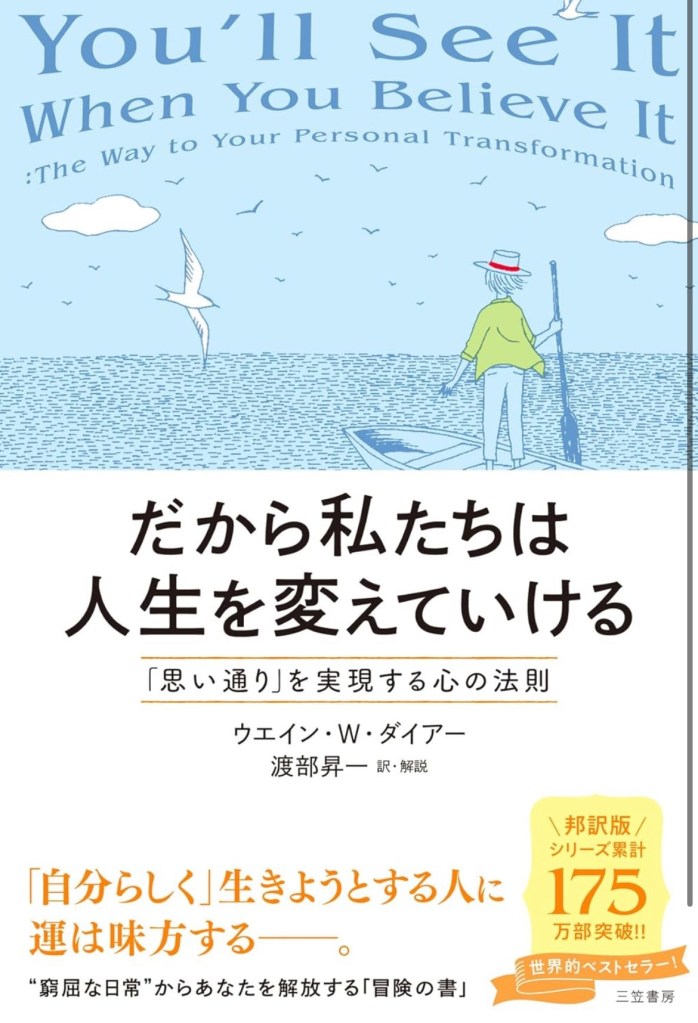
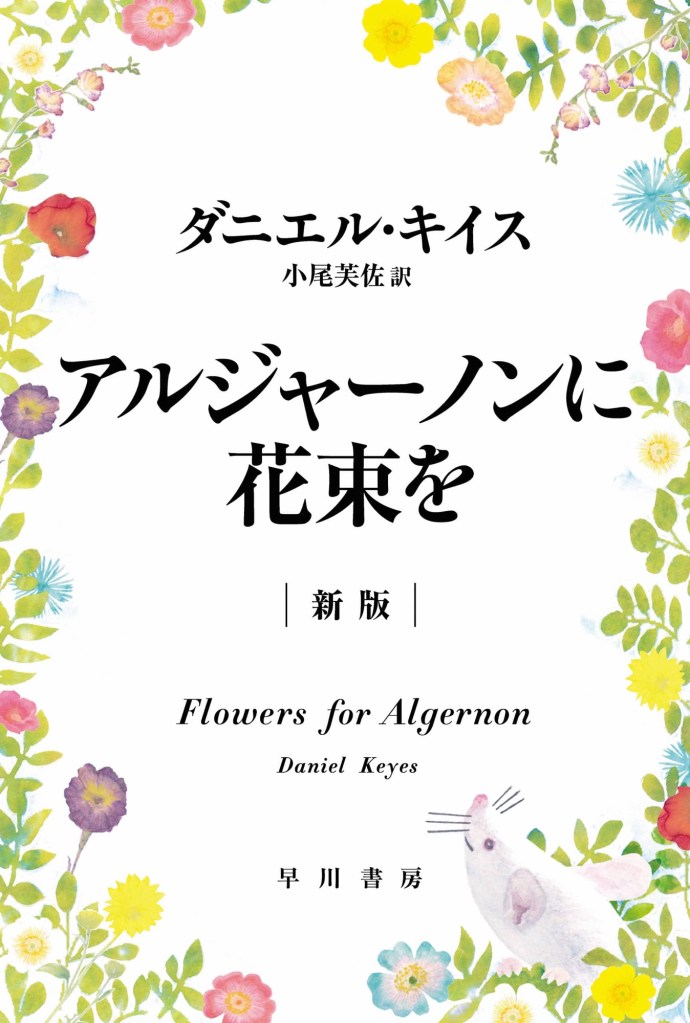
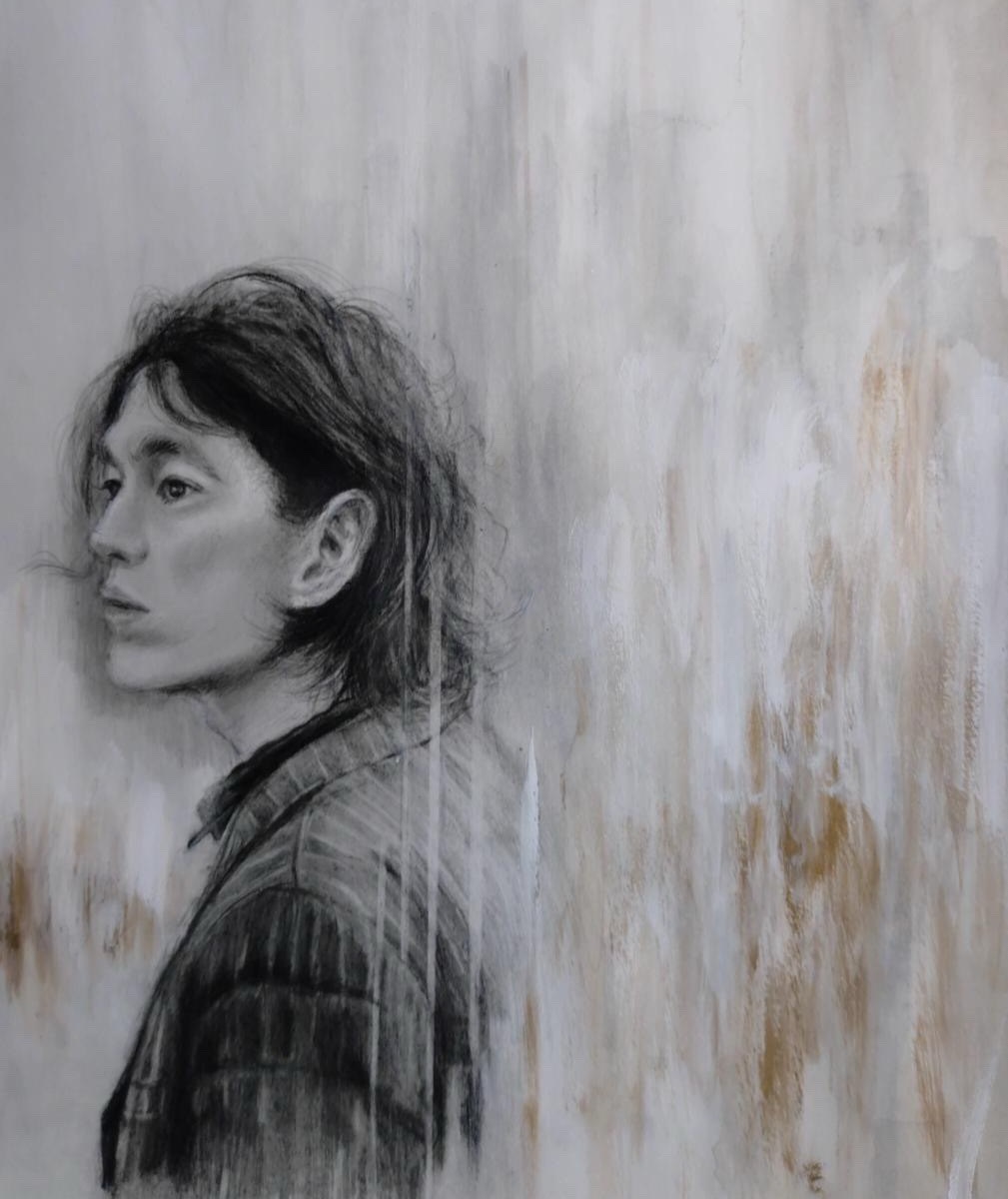
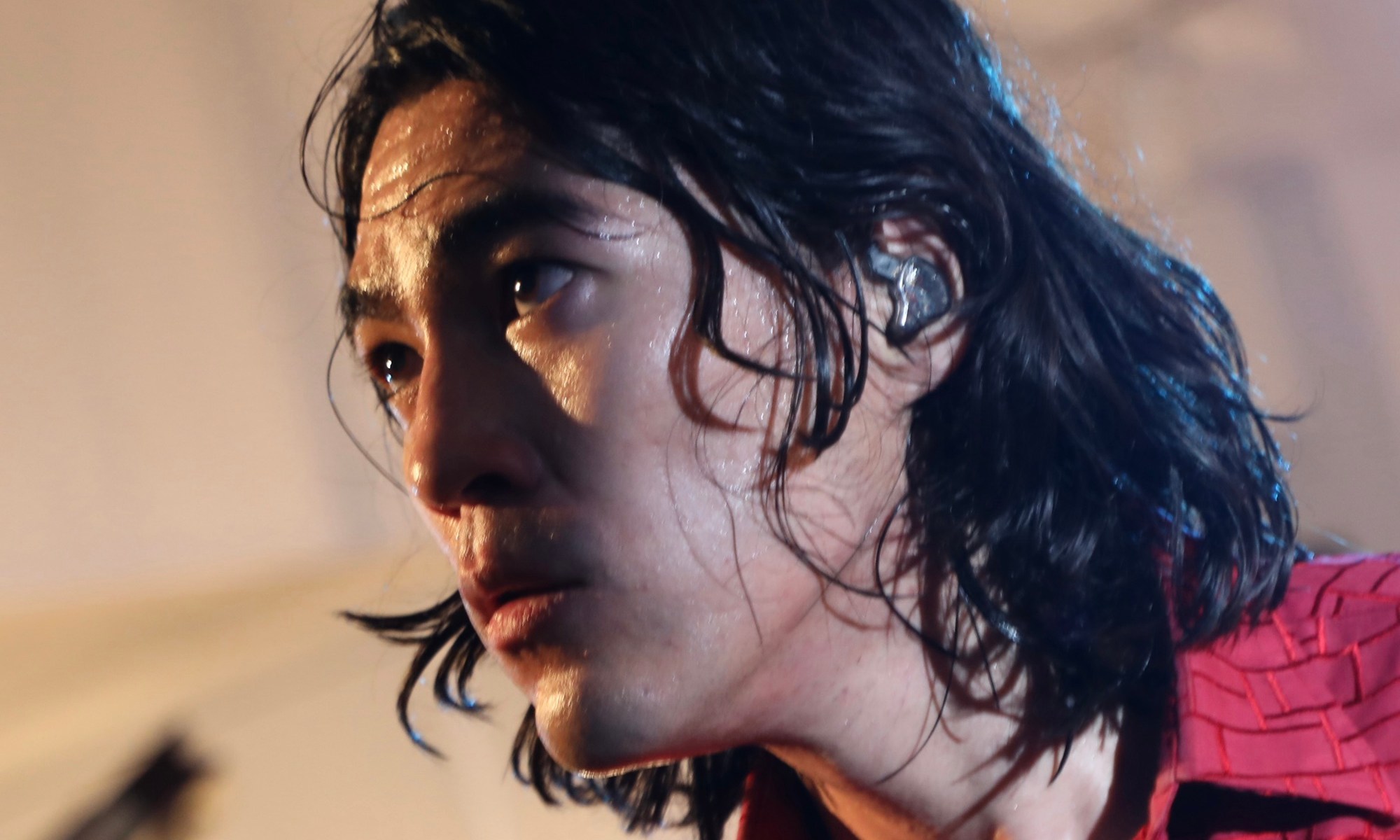

 Dan Mitchel