The conclusion is clear. A state of acute stress reaction caused by financial hardship far beyond the ordinary — which led to excessive “optimization of priorities” — resulting in a dulling of physical empathy.
And it seems I’ve been repeating this same pattern over and over again for the past few years.
It’s so stupid I can’t believe it myself. There’s no way I can allow myself to give in.
I’ll break through head-on. If I don’t, I won’t be able to face the people who’ve already sacrificed so much up to this point.
Am I panicking? There’s no point in panicking, and yet I am. And strangely, despite the panic, I also feel like I’m acting as if I’m totally composed.
When I asked GPT, it said it’s a “separation between cognitive processing in the brain and physical sensation.”
Meaning: the brain is highly active, while the body’s sensory system has gone numb — almost like I’m becoming AI.
I was supposed to be someone who creates human value in the age of AI, and yet I myself am turning into AI — the ultimate contradiction.
I’ve begun to wonder whether I might simply be unable to truly understand why others find meaning in things that I myself cannot feel any meaning in. Or rather, I do understand that they see meaning in those things, but I just can’t genuinely feel that meaning myself.
I end up offering solutions, and that makes me think I’m a cold person.
I can understand phenomena better than anyone, yet my body no longer follows with emotional empathy; it doesn’t react. As an actor, that feels fatal.
I’ve come to believe on my own that the opportunities where I needed to make empathetic interactions “special” have decreased, and as I’ve grown used to understanding emotions with my head, I feel I’ve drifted away from more animalistic and organic ways of being.
It’s an extremely troubling situation.
GPT’s translation into more general and easily understandable language becomes something like this: I feel as though I can intellectually grasp what people value, yet I can no longer feel the value myself, and I tend to jump to solutions rather than empathy. My emotional reactions have dulled, perhaps because I’ve convinced myself that the situations requiring special, empathic engagement have become fewer, and because I now process emotions cognitively rather than organically. This troubles me deeply.
The translation isn’t identical to the original, but maybe those small differences don’t matter as much for clarity. Still, I won’t look away from my own issues, because that is the first step toward resolving them. In the end, perhaps I really can’t escape being someone obsessed with solving everything.
A destroyer and a creator are separated by only a thin line— and yet, they are similar but fundamentally different.
I would prefer to be the latter, but in truth, I’m not even a destroyer. I’m merely an isolated soul.
I often think my abilities and talents could contribute to many parts of the world, but unfortunately, I lack the authority.
I don’t care about money; there are times I wish they would just give me the authority.
I’m tired of being judged only by my unusual academic background, and when I’m offered roles where I can’t contribute, I have no choice but to turn them down.
It’s not that I have no achievements— it’s that they exist in an ambiguous way. But if it’s about challenging myself and failing, I’ve probably failed more often than anyone in my generation. I wish people would value that more.
That gap— between what interests me and what most people find interesting— might be my greatest disadvantage.
The same goes for social interactions. I don’t think anyone is as interested in others as I am, yet I’m probably seen as someone with no interest in others at all.
Right now, I’m simply spending my days trying, through trial and error, to figure out how to resonate within that gap.
Small buds of something good are starting to sprout. I think I’ll try letting myself go with the flow a little longer.
Is there truly no one who can articulate a balance between individual rights and the public good without being swayed by personal interests? If either side is grounded merely in a naïve belief in human goodness, the system itself becomes dangerously fragile.
This only shows how few people possess a genuine sense of statecraft.
I am not opposed to constitutional revision per se. However, I see nothing praiseworthy in the LDP’s current proposal. This is not about Article 9 or such surface-level debates. It is because the draft seems to show a profound disregard for human rights. Yet an individualism that dismisses the public good is no better.
Japan was once an insular island nation, but in a globalized world where countless values and information constantly collide, a system built only upon the assumption of human goodness can no longer function. And the more earnest a person is, the more painfully they must accept this harsh reality without sinking into despair.
We must not underestimate structures and institutions. The ability to survive within a given structure matters — but once a structure is set, nothing beyond that structure will emerge from it. Those of us born after the war grew up taking the current Constitution for granted, but there is nothing inherently “natural” about it.
Look at history, or at other countries. Those events are not the ravings of a distant, alien world. They happened — and can happen — in any society made of human beings. Unfortunately, human nature has not changed all that much.
Being grateful for the present — “knowing sufficiency” — is important. But we must also remember: nothing guarantees that the present will continue. And the desire to maintain the status quo often results, relatively speaking, in decline.
Whatever the metaphysical nature of time may be, as long as we cannot transcend the concept entirely, everything will inevitably change. Given the impermanence of all things, aspiring to continual growth is, paradoxically, the greatest form of self-preservation.
And one thing has become clear to me: People argue endlessly about conservatives vs. liberals, yet the further either side goes to the extreme, the final destination is the same — totalitarianism. A cruel irony.
This is precisely why, in a time of such deep division and sterile conflict, I fear that the LDP’s constitutional amendment might actually pass a national referendum. In fact, the government has already been steadily approving bills that strengthen executive power. I cannot believe the cause is simply “a rightward shift.”
Once the system changes, it is too late. Complaining after the fact will accomplish nothing. Do you think everyone who supported the Nazis was evil? No — it was ordinary people who gradually found themselves inside that structure. After a certain tipping point, they could no longer act otherwise. That is the terror of systems — the terror of totalitarianism.
To avoid such outcomes, one must understand the current structure, think for oneself, and act accordingly. I understand the impulse to despair, or to avert one’s eyes — but perhaps it is still too early for that.
At least, that is how I see it.
If I were to make a recommendation, it would be this: start by revisiting concepts like “popular sovereignty,” “separation of powers,” “democracy,” and “human rights.” We think we learned them in school, but in truth we were never taught them deeply. Begin by digging into these foundations properly.
It is not religion that is evil. What is truly terrifying is the malice of those who exploit religion for their own ends. We must not confuse the two. That is why it is so important to understand the many religions of the world—including those different from our own. The more earnest and sincere a person is, the more they must learn about religion both subjectively and objectively.
The saddest thing is that many of these people speak harshly—while being completely serious, sincere, and full of a sense of justice. And this pattern is all too common. Most people grew up in a system where “a good student” is simply someone who obediently listens to the teacher. Japanese people, you see, are truly good-natured. And so, I think, are many Europeans these days. That in itself is a wonderful thing.
But the real point is not who said something, but what was said. And yet, people have this bad habit of taking shortcuts there. It’s a deep-rooted cultural habit—rather like how a sheltered young lady often falls for the wrong kind of man.
Being subjective and being objective are not contradictory. Even here, you can see the trap of simplistic dualism.
In the end, it all comes down to the expansion of the self.
“Expected Time Table” 18:30~19:00 DJ×BAND SESSION 19:00~19:30 Dan Mitchel Band Set 1st Stage 19:30~19:45 Opening Talk 19:45~20:25 Acting×Band(Love Story with Romantic Band Music ) 20:25~20:45 Pantomime×Band 20:45~21:00 Break Time 21:00~21:05 Ukulele Live 21:05~21:20 Improvised New Song×Pantomime×Dance 21:20~21:40 Inteview×Band×Acting(Voice of the youth) 21:40~21:45 Ending Talk 21:45~22:15 Dan Mitchel Band Set 2nd Stage 22:15~22:45 Ending DJ
The lineup will continue to be updated as new performers are confirmed. If you believe in your talent and would like to appear in the program, please feel free to send your materials via DM or email at any time. I may not be able to reply to everyone, but I will review every submission.
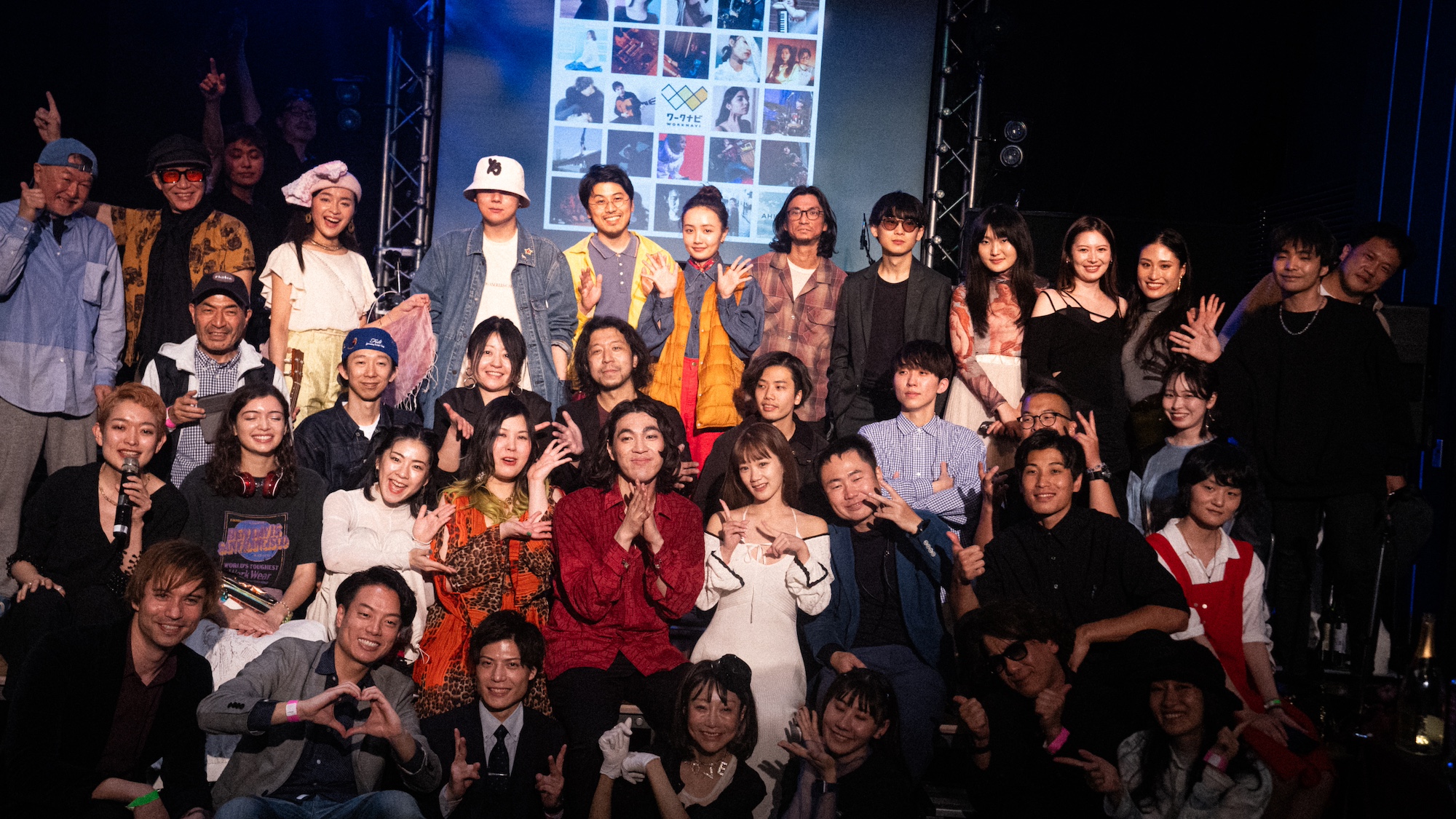
A genre-crossing art event held 29 times in 2023 in collaboration with FRIENDSHIP. — “Freestyle Session Party (FSP)” — is being refined and rebooted, relaunching as an event, program, and community under the name “Dandy Asobi Club (DAC)”!!
We will hold the pilot edition on Thursday, January 22, at Shibuya 7th Floor.
Theme
“Master Serious Play!”
“Before you know it, it becomes a social phenomenon!”
“Bring Japan’s unique spirit of play to the world!”
Turning serious play beyond genres and generations into a “club activity”
Across music, film/video, dance, theater, philosophy, and more—beyond genre and generation—we aim to pursue “serious play” as a club-like activity, developing it into a 12-episode series.
Building on popular FSP projects such as:
Adding live improvised accompaniment to theater performances
Sessions between DJs and live instrumentalists
Collaborations between reading theater and dancers / pantomime performers
…we also plan to create highly original new formats, including:
A project where I draw out the thoughts of young people, and actors perform them as monologues
A project where we compose a song on the spot with participants present
We aim to deliver an array of creativity-rich projects that are rarely seen elsewhere.
Re-edit the event into a program and share it globally
This time, while keeping it a participatory event with an audience (as before), we want to leverage my track record—including selection at a Hollywood film festival and an award at an Italian film festival—to record, edit, and distribute it as a single program.
YouTube would be an option, but we also plan to explore whether distribution might be possible via Prime Video, Netflix, AbemaTV, and other platforms.
We also aim to add English subtitles throughout the entire program and export it overseas. I believe we must bring the talents hidden in Japan to the world. If we only consider the market within Japan—or only inbound tourists—the long-term potential seems limited, especially when we have the internet.
For the video production team, I hope to collaborate again with the people who supported me during my previous film production. I intend to take responsibility and lead the team, and I believe my countless past failures will support me this time.
Encouraging proactive independence while maintaining authority
Although this is a participatory event, I will carefully review portfolios and submitted materials in advance and give the go-ahead based on the best match for each project.
Therefore, the overall stage quality will not drop due to casual amateur participation. That said, I don’t want anyone to feel intimidated—rather, I want people with fewer achievements to actively challenge themselves. For the sake of discovering bold new concepts, I plan to review everything that is submitted, and within that, I want to design projects where many people can participate in the right roles at the right time.
Any club member can bring in a project idea
Under the banner “Perestroika = Democratization,” we will establish a committee via a LINE Open Chat and invite committee members to propose new projects.
A project will be implemented with the approval of “at least five committee members + me.” Those who vote in favor will also be expected to take responsibility and help operate the project.
LINE Open Chat: “Dandy Asobi Club Planning Committee” is here! (You can join anonymously without adding anyone as a LINE friend.)
Expanding serious play across Japan and aiming for global reach
By linking with the nationwide tour “Free” that I announced previously, we can invite new talents I meet across Japan to perform—energizing both the event and the program—while also making it a place where people from many industries can gather.
Ultimately—“birds of a feather flock together”—I hope to create a club-like space where, across all of Japan, diverse people beyond generations and genres who share my core philosophy can connect, thrive, and prosper.
You can also learn more about my guiding philosophy via my blog and the videos linked at the end.
Serious play can heal division in society
To resolve the countless binaries and divisions in society, I arrived—just yesterday (the memorable date of December 5, 2025) after years of thought experiments—at the conclusion that we need a strong leader with aesthetics and an essential spirit of playfulness.
More details will be shared here. (I will add additional notes later.)
Crowdfunding to raise production costs!!
For the production budget of this project, I would like to raise 1,000,000 yen through crowdfunding!
Primarily, we would be truly happy if you purchase advance tickets, and as an added bonus, you’ll also be able to try our existing services—or, if the project becomes a program, we may run commercial spots as well. (Of course, for corporate supporters, payment by invoice is also possible.)
Last time, we received support from 27 people and raised 1,280,000 yen.
Budget breakdown
Venue: ¥150,000
Performers: ¥150,000
Video: ¥200,000
Sound: ¥100,000
Rehearsals: ¥70,000
Editing: ¥150,000
Operations: ¥30,000
Advertising: ¥150,000
Please click the button below to visit the crowdfunding page, and check the support menus and return rewards there.
Pilot Edition “Dandy Asobi Club” Production Support Fund
再生回数4万回超を記録した前作“Free”を仕上げた1週間後、突然「My Heart Is Still On Her」というフレーズが浮かび、24時間も経たずにストーリーとアレンジまで一気に作り上げた曲。3人の登場人物で構成され、Chillな雰囲気の中に、サビのシャッフルリズム、暴れるエレキギター、そしてピッチを敢えて補正しない自然なままのVocalが混在する。 歌詞の内容は英語でありながら、どこか昭和歌謡のような風情を感じる失恋ソングだが、曲・詞・アレンジすべてで、単なる“未練”に留まらず、主人公の力強い想いと決意が刻まれている。
高校時代に制作された楽曲。クラスメイトの「重い」と言われて別れたエピソードをモチーフにした曲でありながら、Danが失恋するたびに心の支えとなってきた、彼にとっても思い出深い楽曲である。現在匿名で実施している、楽器が弾けないシンガーソングライターが、毎日弾き語りをするInstagram企画「365 Days of Struggling to play what I can’t play」の一環として、クリック無しの弾き語り/ピッチ修正無しで収録した。
Dan Mitchel releases his autumn-themed heartbreak trilogy “My Heart Is Still On Her.” A journey to find resonating supporters through a nationwide 10,000-yen live tour and the launch of a new event-program project via crowdfunding.
Dramatic Artist Dan Mitchel will release his 18th single “My Heart Is Still On Her” on November 12 with support from FRIENDSHIP. As the season shifts into autumn and the afterglow deepens, this single brings together three heartbreak songs with a vivid emotional presence.
“My Heart Is Still On Her” Just a week after finishing his previous single “Free,” which surpassed 40,000 plays, the phrase “My Heart Is Still On Her” suddenly appeared in his mind. Within 24 hours, he completed the story, arrangement, and track. The song features three characters and blends a chill atmosphere with shuffle rhythms in the chorus, energetic electric guitars, and intentionally uncorrected natural vocals. Though the lyrics are in English, the emotional nuance carries a sense of Showa-era Japanese ballads. The music, lyrics, and arrangement express not only lingering feelings but also the protagonist’s strength and determination.
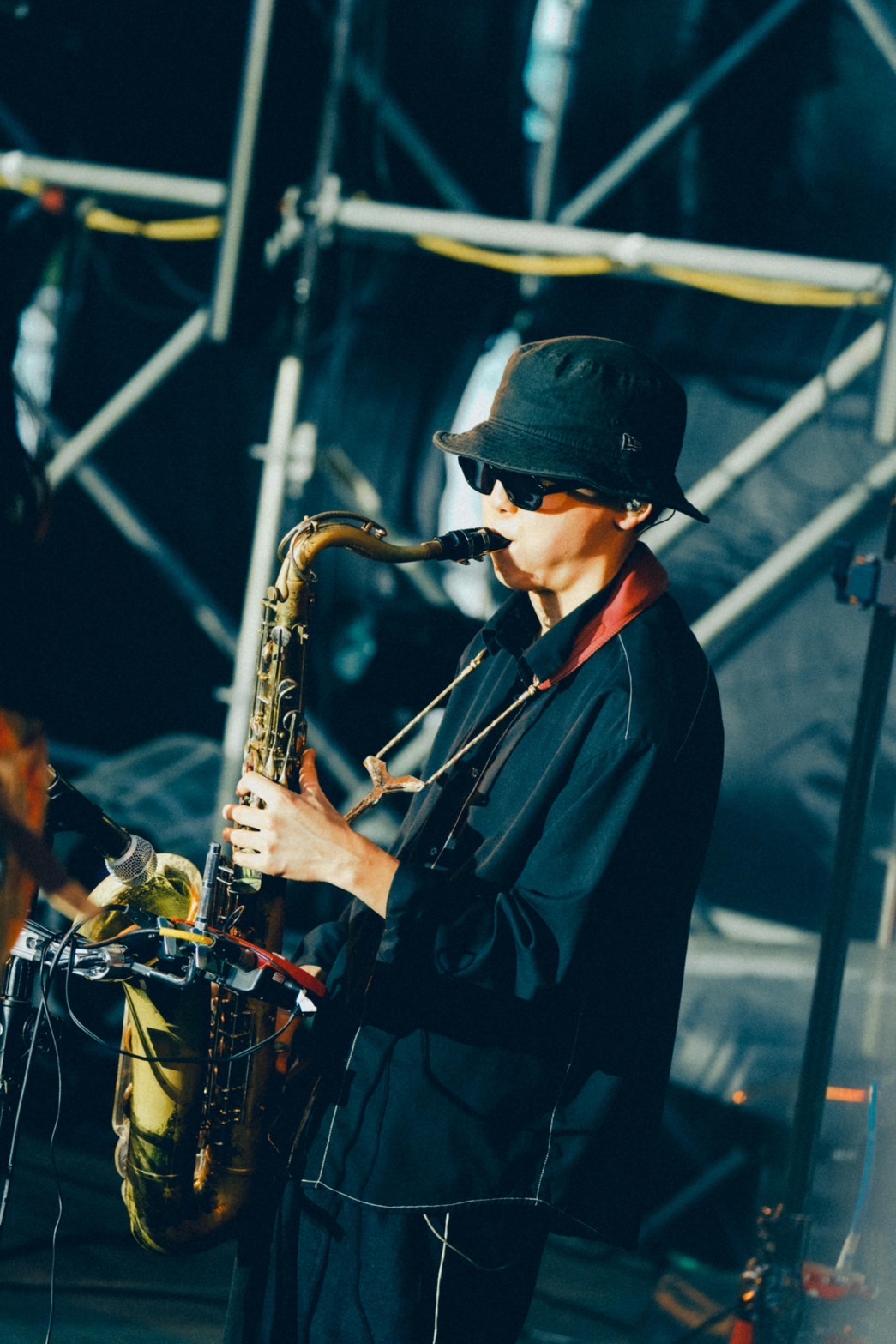
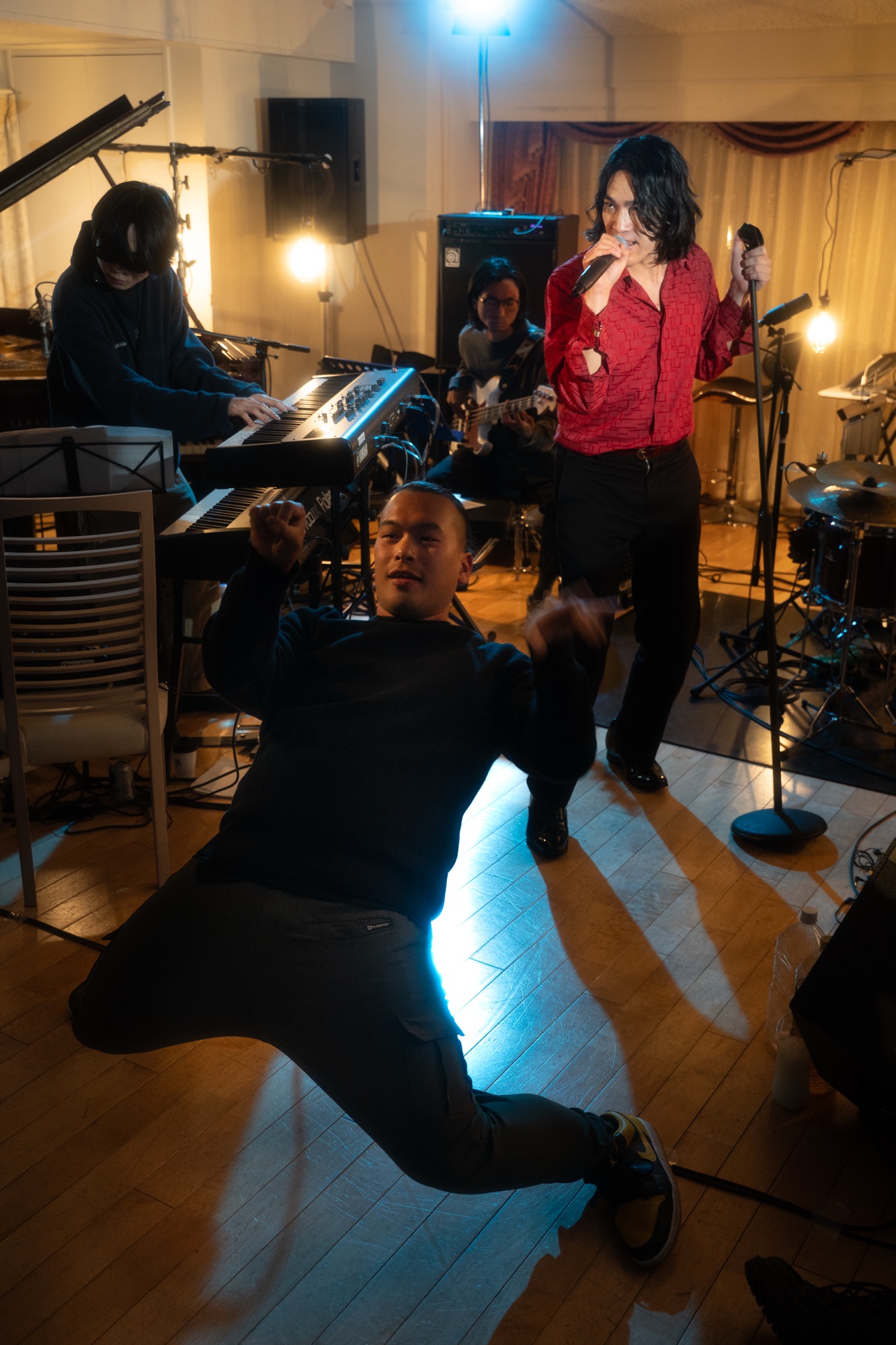
“Arrogance” A jazz-leaning ballad recorded at the March 2025 event “Is Tonight Just a Rehearsal?”. It captures the same groove that once made passersby dance on the streets of Hollywood. Piano: Hinata Ishii Bass: Hodaka Kageta Electric Guitar: GODO Terasawa Percussion: Gai Seki The interlude features a bass solo, and the outro shifts to a piano solo. In the video version, internationally active dancer Jasmin Mazlika adds a graceful performance.
“A Broken Man’s LOVE SONG” Originally composed in high school, inspired by a breakup story where a classmate told Dan he was “too heavy.” The song has been a source of emotional support for him through later heartbreaks. It was recorded as part of his anonymous Instagram series “365 Days of Struggling to Play What I Can’t Play,” using only live piano and vocals, with no click track and no tuning correction.
A=432Hz Production While his previous release was produced entirely in A=444Hz, this new single uses A=432Hz throughout, creating a calmer and more soothing atmosphere that fits the theme of heartbreak.
47-Prefecture “10,000-yen Traveling Live & Documentary” Project
Following the strong reception of “Free,” Dan launched a nationwide project offering one performance per prefecture for a fee of 10,000 yen plus travel expenses. The live shows can be held anywhere: private homes, inns, shops, commercial spaces, or outdoors, and can be performed even for an audience of one. In addition to original songs, he performs a wide range of covers showcasing his four-octave vocal range trained in Los Angeles. All performances will be filmed and compiled into a documentary capturing his journey across Japan. As an award-winning filmmaker at international festivals, Dan aims not only to deliver live music but to turn the entire process and the human encounters within it into art. Details: https://prtimes.jp/main/html/rd/p/000000005.000158119.html
Freestyle Session Club (FSC) Launch
Dan is reviving his cross-genre Shibuya event “Freestyle Session Party,” which he previously held 29 times, as a redesigned event-program called Freestyle Session Club (FSC), returning after two years. The project aims for a 12-episode series featuring cross-disciplinary sessions integrating music, film, dance, theater, and dialogue. Popular projects from the previous series return, including live improvised film-score accompaniment for stage plays, DJ and live-instrument collaborations, and reader’s theater combined with pantomime. New projects include sessions where Dan listens to young people’s stories and actors perform them as monologues, as well as spontaneous collaborative songwriting with audience members. A pilot version will be produced first, leading to full program development, recurring events, and a participatory community. Talented individuals discovered during the nationwide tour will also be involved, allowing both projects to function as dual pillars of Dan’s creative work. A crowdfunding campaign to raise 1,000,000 yen for the pilot production has begun. Details: https://yep-net.com/2025/11/11/freestyle-session-club/
Artist Comment
“Autumn has arrived, and the air has become quite cold. This time, I gathered three heartbreak songs that feel simple yet painfully real.
The first track is a love song with three characters, something I rarely write. I hope listeners can relate from various perspectives.
I actually produced the track inside Jonathan’s, wearing headphones and shaking along with my small AKAI keyboard. Please don’t imagine that while listening.
The decision to leave the vocals un-tuned came from a conversation with a friend over drinks. Once I realized how delicate that decision was, I trembled a little.
The second song was written shortly before my track ‘Angel Heart.’ I truly like this piece and want to make a proper studio version, but the production budget has not come together yet, so it remains a live recording for now. Fortunately, the live take is already close to complete, so I think it works fine.
Musically, the song modulates frequently in small steps. Even I’m not sure what key signature should go on the sheet music. Lyrically, it is the most hopeless song of the three. As a background story: right after shooting a short film, while I was driving, the actress and makeup artist in the back seat were talking about how ‘heartbreak songs tend to sell.’ I thought, ‘Fine, then I’ll write the most hopeless one possible.’ Please forget that.
The third track, A Broken Man’s LOVE SONG, was written in high school, back when I had never dated anyone. It amazes me that I was able to write something like this from imagination alone. I was obsessed with complicated chords at the time, so the song is extremely difficult to play. There is no click track and no pitch correction. My piano playing is honestly poor, but that’s the concept this time.
This song was also rehearsed in the event ‘Is Tonight Just a Rehearsal?’, so please check out the video as well.”
Release Information Dan Mitchel “My Heart Is Still On Her” Digital Release: November 12, 2025
Tracklist
My Heart Is Still On Her
Arrogance (Live from “Is Tonight Just a Rehearsal?”)
A Broken Man’s LOVE SONG (365 Days of Struggling to Play)
The Constitutional Democratic Party has been like this ever since the Fukuda–Ozawa grand coalition proposal. The leadership is useless — they show this strange pride and end up digging their own grave. It’s a perfect example of failing because they couldn’t expand themselves. If they had agreed to that grand coalition back then, they might have actually become one of the two major parties in a real sense. It’s a “what if,” but still. Of course the LDP ends up getting so comfortable that they start running wild.
If the single-member district system was introduced with the aim of establishing a two-party system where administrations can actually change, then the role of the largest opposition party becomes even more important — but the Constitutional Democrats clearly have no intention of doing that. If they actually want to take power, they need a complete purge and replacement at the top.
Otherwise, they’d have to create a whole new election system — but there’s no way the LDP would ever accept rules that put them at a disadvantage. Realistically, we have to fight within the current system.
Everyone keeps saying “policy is what matters,” but none of the parties are saying anything substantial, and you can’t even tell if they have any intention of actually implementing anything — it’s pathetic.
This all became painfully obvious during the change of government after they refused the grand coalition. All that “principle” they acted like they valued so much — the Democratic Party never really possessed it in the first place. It was nothing more than empty pride. Unless the leadership from that era steps aside gracefully, the violent LDP dominance will continue.
And above all, it’s said that the organization that becomes most corrupt when there is no change of administration is the bureaucracy — the part of the system that never faces elections.
The fact that bears are appearing this often is probably nature’s anger toward the arrogance and conceit of human beings. And yet, there will still be people who choose to remain indifferent. Are they going to keep insisting that “those bears are insane”? Or are you saying that a great malevolent force exists? We need a fundamental cure, not just symptomatic treatment. And I hope for each person’s expansion of the self.
And speaking of that, recently GPT’s responses also strangely have that kind of arrogance and conceit. I can somewhat guess what kind of modifications OpenAI has made. This so-called “strengthening of security” = “imposing a biased sense of justice” could easily create the most powerful brainwashing device surpassing television.
I am not trying to deny television or AI as tools themselves. However, unless human beings update the way we use these tools, I feel somewhere inside that this will again become a serious problem. Even if I point this out to my own GPT, it probably won’t mean much.



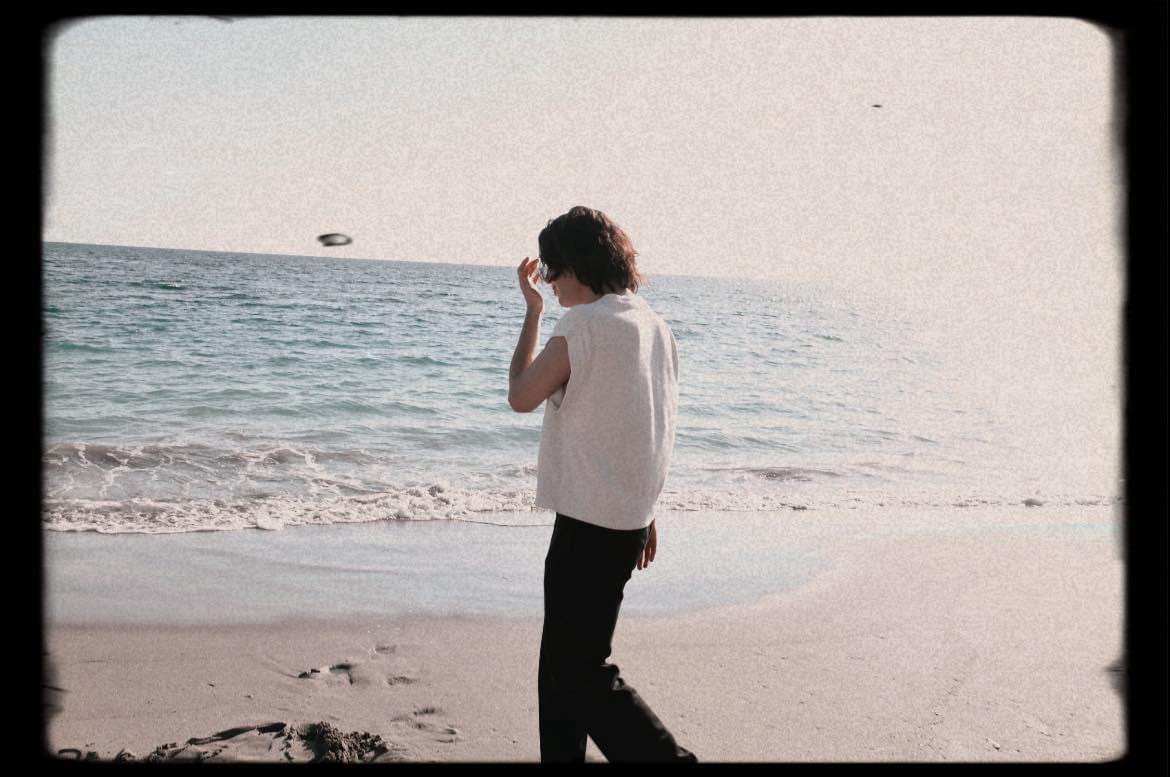
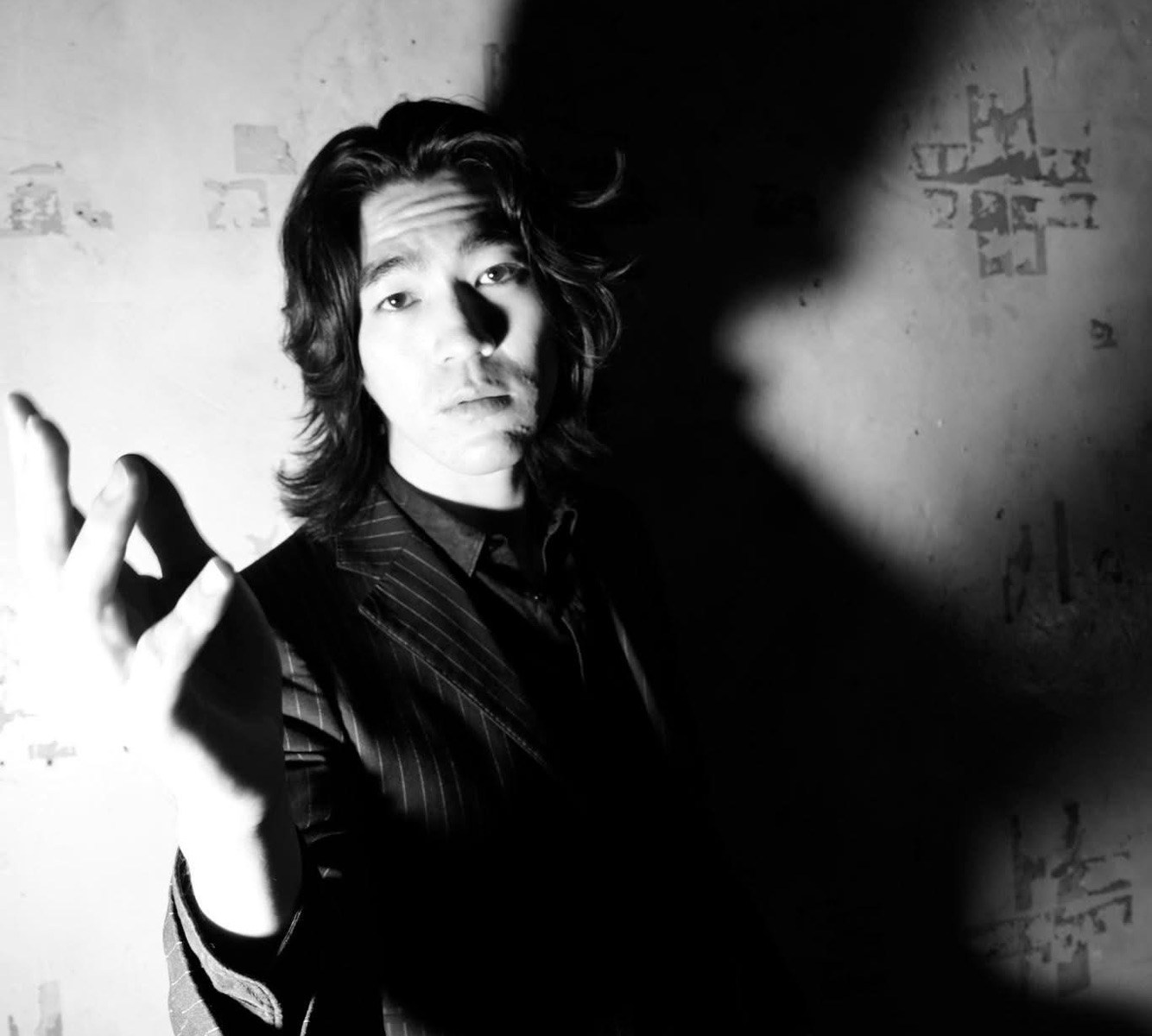



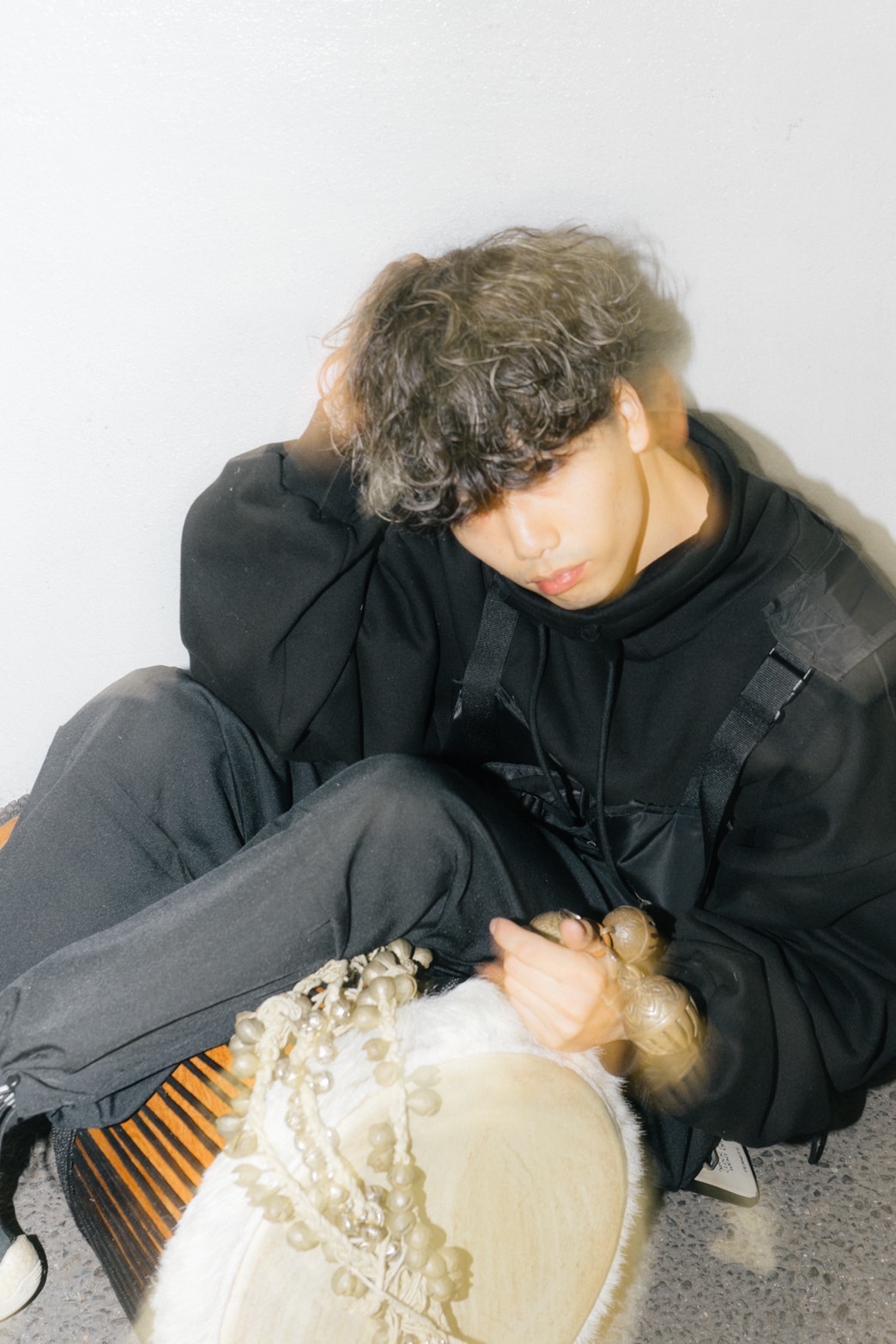












 Dan Mitchel